Pipmed Medical
Pipmed Medical
Pipmed Medical
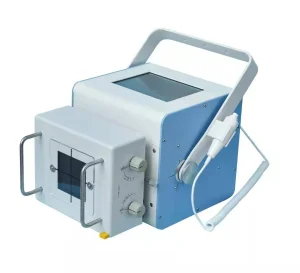
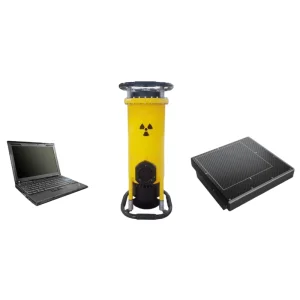
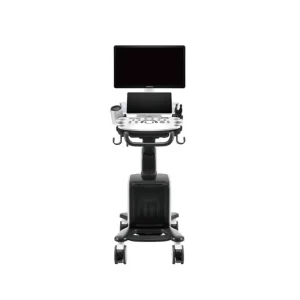
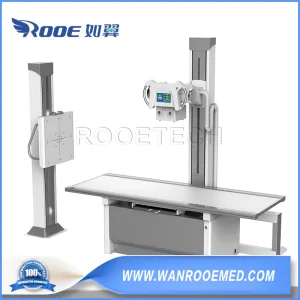
Explore our primary portfolio of digital X-ray devices, portable imaging tools, and integrated digital software components compliant with global clinical frameworks.
In modern global healthcare, the integration of clinical imaging with digital Intelligence represents a monumental leap forward. Traditional radiography is no longer sufficient to meet the fast-paced, high-throughput diagnostic challenges of modern clinics. Transitioning to CE certified smart imaging devices guarantees compliance, safety, and diagnostic velocity.
Smart imaging systems utilize micro-processing units, high-performance flat panel detectors (FPD), and low-exposure algorithmic controls. This enables radiologists to perform diagnostic assessments with minimal ionizing exposure while optimizing contrast-to-noise ratios (CNR). By incorporating real-time post-processing algorithms, smart systems decrease the need for re-scanning, saving clinic time and patient energy.
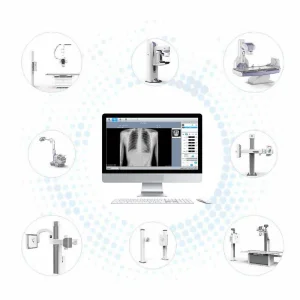
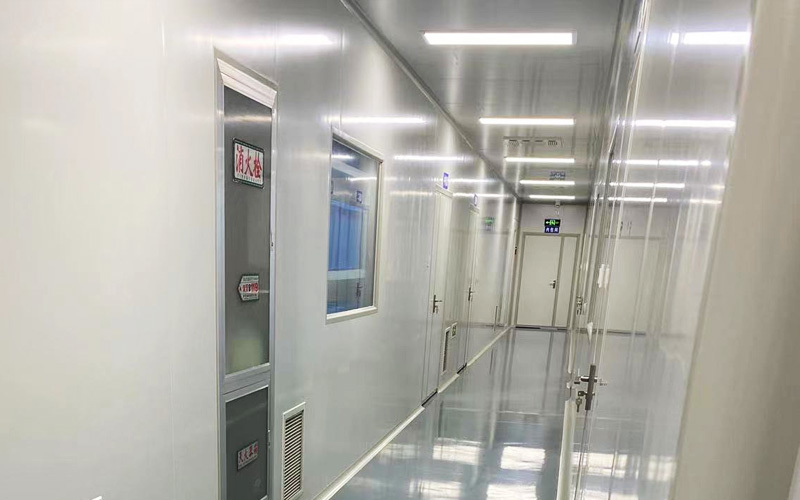 Figure 1: Hangzhou Pipmed Medical's Integrated Radiography Solution
From emergency clinical wards to veterinary diagnostic spaces, Smart Imaging has become the cornerstone of localized point-of-care workflows.
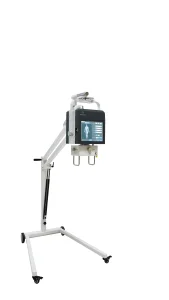
In space-restricted environments like Intensive Care Units, traditional fixed X-ray configurations are impractical. Mobile Digital Radiography (DR) systems offer prompt beside imaging, enabling rapid diagnostic workflows without moving critically ill patients.
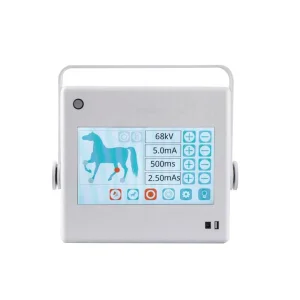
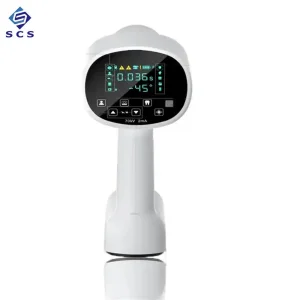
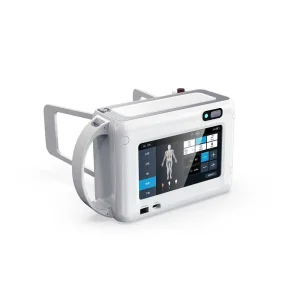
Veterinary clinics require dynamic parameters for small pets and larger livestock. Handheld, battery-operated units with specialized software, such as horse leg imaging kits, provide portable diagnostics directly in the field or stables.
Beyond clinical environments, smart imaging utilizing 40G Fiber Optic high-speed links is critical for Non-Destructive Testing (NDT). Factories track component failures, material fatigue, and structural integrity in real-time on assembly lines.
The next decade of medical and industrial imaging is anchored upon deep intelligence integration. At Hangzhou Pipmed, our R&D team targets four primary technological frontiers to shape the future of medical diagnostics.
We are integrating localized Neural Processing Units (NPUs) into flat panel detectors. This allows immediate denoising, bone-suppression processing, and preliminary anomaly highlighting directly at the point of acquisition, lowering diagnostic turnaround times from minutes to seconds.
Our direct-deposition Cesium Iodide (CsI) technology combined with smart auto-exposure detection (AED) ensures high Quantum Detection Efficiency (DQE). This achieves crisp, high-resolution diagnostic images with a fraction of the traditional radiation dose.
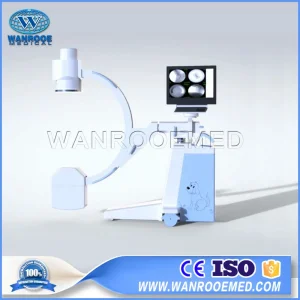
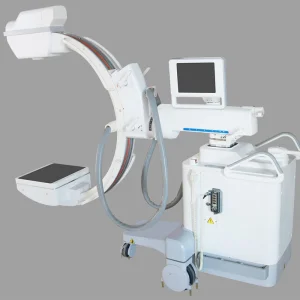
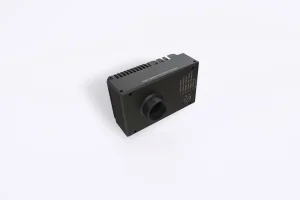
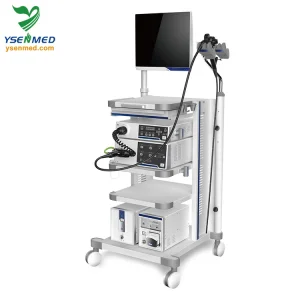
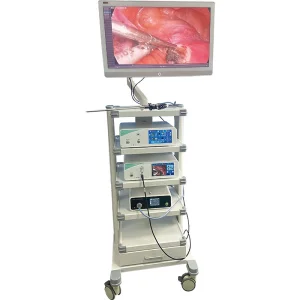
To support high-resolution raw data streams, our systems use 40G fiber-optic technology. This architecture prevents data bottlenecking, especially during real-time endoscopy or high-frame-rate mobile C-arm procedures.
By integrating PACS-compliant software workflows directly into acquisition workstations, Pipmed enables clinics to synchronize diagnoses, send studies to off-site radiologists, and access AI diagnostics over secure cloud channels.
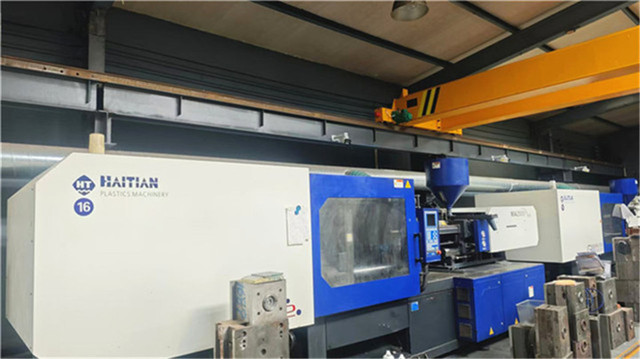
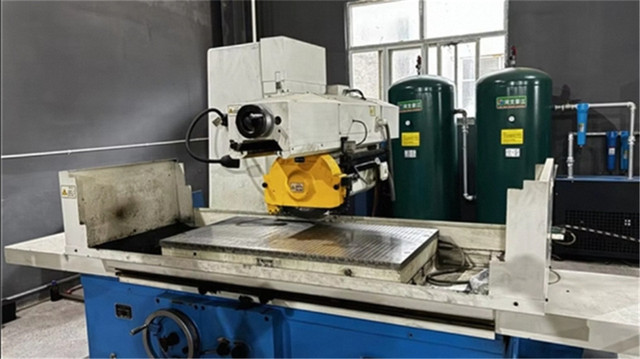
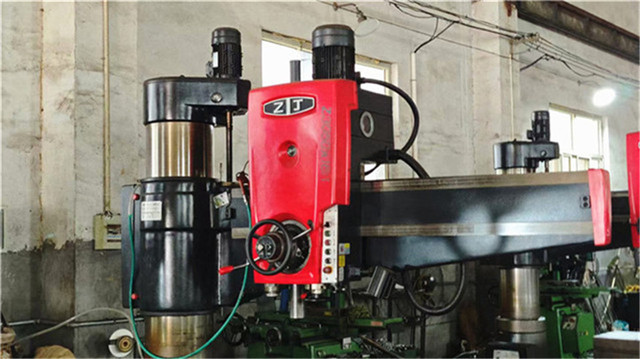
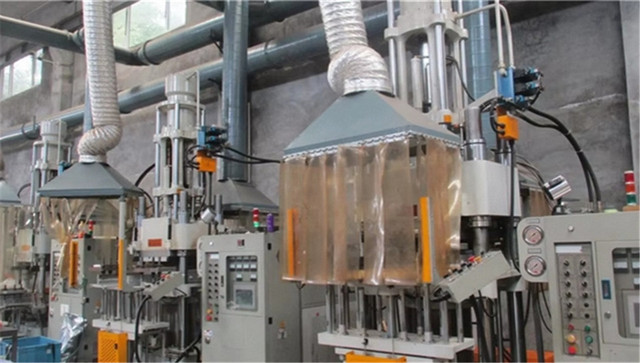
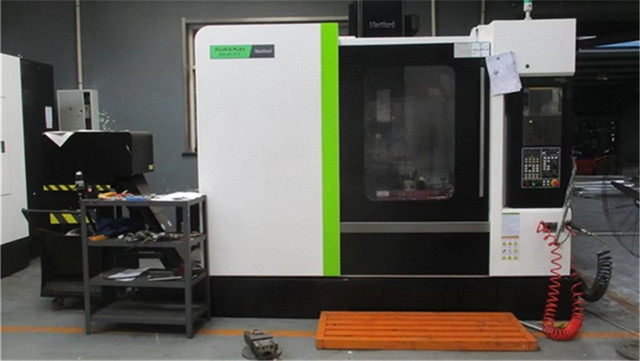
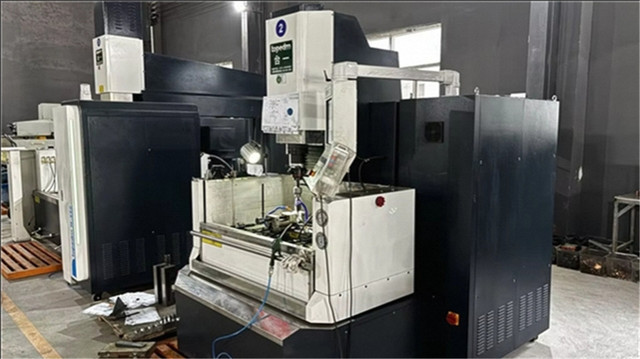
Hangzhou Pipmed Medical Co., Ltd. leverages Hangzhou's robust electronics, software, and precision manufacturing ecosystems. We maintain strict control over every phase of production, from raw component procurement to final electronic testing and assembly calibration.
Our infrastructure contains modern assembly lines and advanced cleanrooms that comply with international ISO 13485 regulations. This centralization of parts sourcing and quality management guarantees cost-competitiveness without sacrificing accuracy. Our clients benefit from shorter lead times, robust transit logistics, and customizable OEM/ODM pipelines.
Whether customizing specialized mounting beds, adapting software GUI localization, or adjusting digital flat panel sizes, Pipmed provides highly tailored solutions that meet regional safety and operational standards.
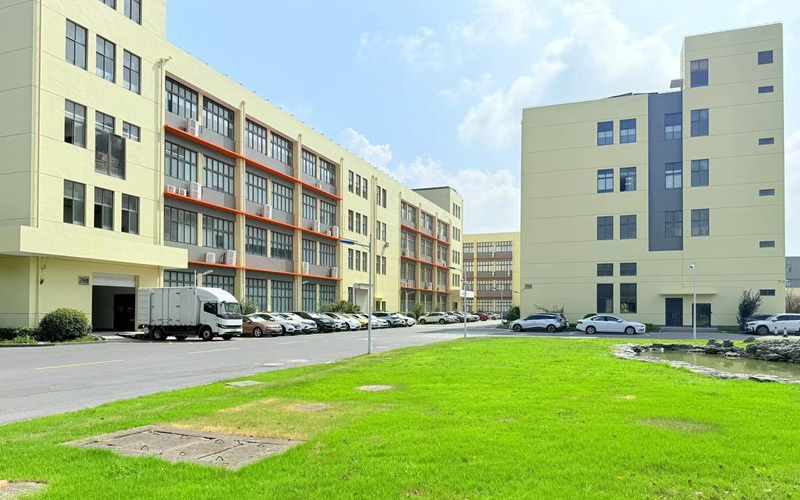 Figure 2: Quality Inspection and Testing Department at Pipmed Facility
Our state-of-the-art facilities ensure precise assembly, diagnostic calibration, and robust compliance validation across all smart imaging lines.
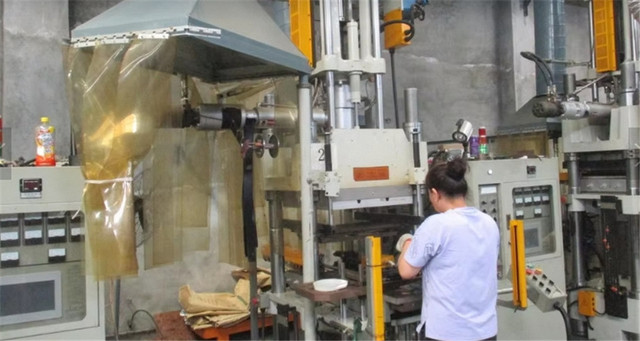
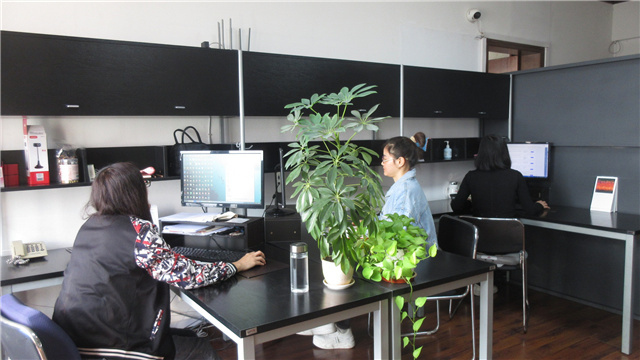
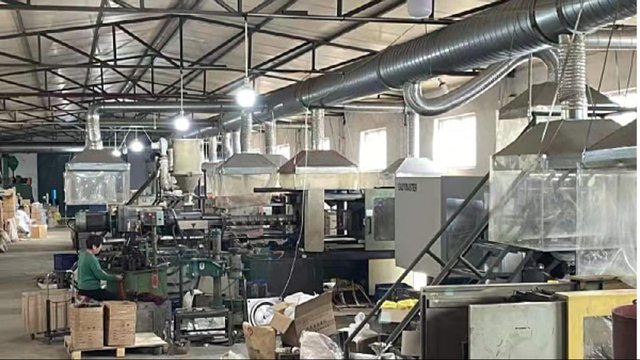
Clinical operations require robust safety guidelines. Hangzhou Pipmed's medical systems strictly adhere to critical certification protocols, ensuring safety, diagnostic consistency, and compliance for public healthcare operations.
Our medical systems undergo rigorous conformity assessments in compliance with the EU Medical Device Regulation (MDR 2017/745), guaranteeing low electromagnetic interference (EMI) and safe ionization levels.
Pipmed's manufacturing facility adheres to strict ISO 13485 Quality Management Systems. This ensures traceabilty, cleanroom control, and assembly metrics for medical-grade hardware.
Our software integrates with medical IT architectures. We ensure DICOM 3.0 compliance to allow secure, seamless data routing to PACS environments.
Browse our dedicated range of high-resolution color Doppler devices, veterinary radiography equipment, and clinical endoscopic cameras.