Pipmed Medical
Pipmed Medical
Pipmed Medical
Explore high-performance diagnostic devices and laboratory systems engineered for next-generation clinical intelligence platforms.
Modern healthcare systems are undergoing a deep paradigm shift toward predictive, clinical-grade analytics models. Healthcare providers, research laboratories, and diagnostic networks no longer purchase medical hardware in isolation. Today, procurement officers prioritize data integration, telemetry capabilities, and DICOM-compliant pipeline integration. Devices like digital radiography units, chromatographic spectrometers, and point-of-care imaging sensors serve as the physical endpoint nodes of clinical databases. They generate high-fidelity, raw datasets that power cloud-native analytics platforms.
Across North America, the European Union, and rapidly developing APAC healthcare infrastructures, regulatory mandates require medical hardware and analytical software to interoperate seamlessly. Global procurement processes focus on clinical equipment that facilitates automation, eliminates human data entry errors, and maintains adherence to GMP, HIPAA, and FDA 21 CFR Part 11 standards. For example, automated polymer preparation and dosing systems are evaluated not just on liquid throughput, but on their IoT chemical analysis interfaces, which stream telemetry data directly to hospital resource planning and environmental compliance software.
Seamless DICOM & HL7 integration across radiography units, PACS networks, and electronic health record databases.
Real-time, on-device image optimization algorithms reducing diagnostic turnaround from hours to seconds.
Regulatory adherence for sensitive pharmaceutical testing, clinical diagnostic devices, and chemical automation.
Healthcare analytics solutions are built upon a multi-layered technology stack that starts at the physical hardware level and moves up to cloud-native machine learning models. Standard architectures are structured as follows:
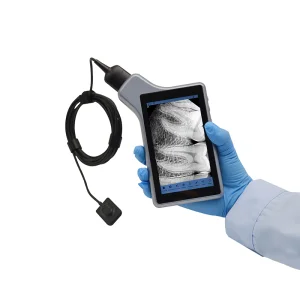
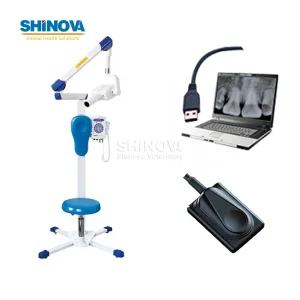
By using direct edge processing at the physical layer, manufacturers reduce the bandwidth footprint of modern PACS (Picture Archiving and Communication Systems). High-resolution digital dental imaging arrays, for instance, utilize internal compression algorithms to capture immediate intraoral conditions, package the data into DICOM format, and sync with clinical servers without delaying patient treatment.
DICOM Integration Reliability
Edge Diagnostic Render Latency
21 CFR Part 11 Compliant Labs
Global Export Markets Supported
Powering the hardware telemetry foundation for modern diagnostic analytics platforms.
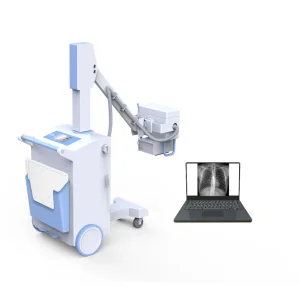
Hangzhou Pipmed Medical Co., Ltd. is a professional manufacturer specializing in medical imaging equipment, dedicated to providing advanced X-ray systems, flat panel detectors, and integrated radiology solutions for global healthcare providers. With a strong focus on innovation and precision engineering, Pipmed delivers reliable imaging technologies that support accurate diagnosis and efficient clinical workflows.
Our core product range includes digital radiography systems, X-ray film printers, high-performance flat panel detectors, and complete imaging solutions tailored for hospitals, clinics, and diagnostic centers. Designed with user-friendly interfaces and high-resolution imaging capabilities, our products help improve diagnostic accuracy while ensuring patient safety through optimized radiation control.
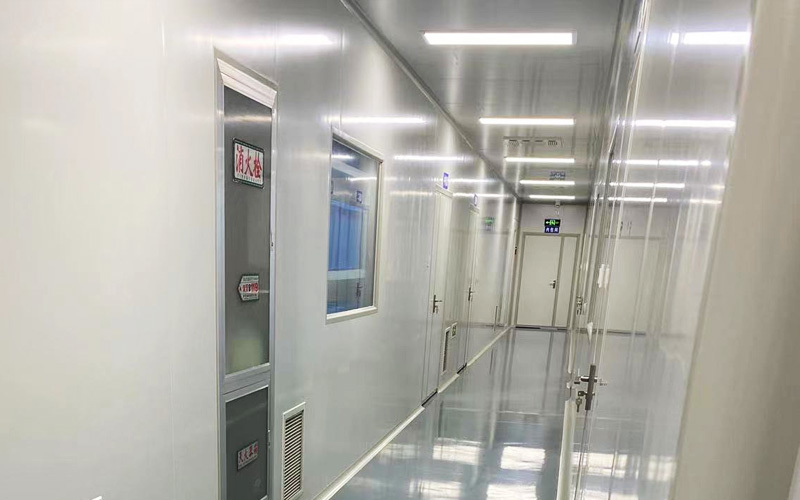
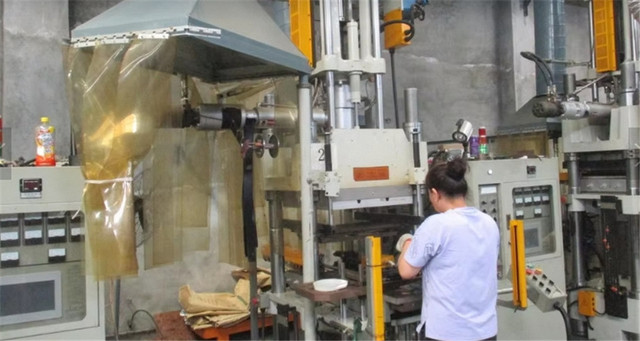
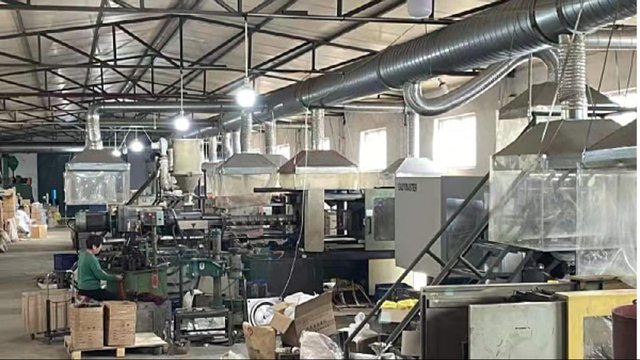
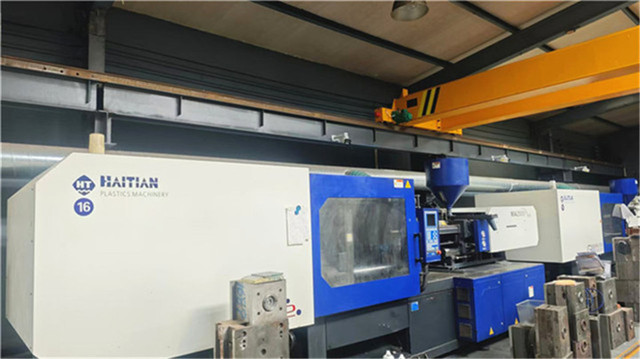
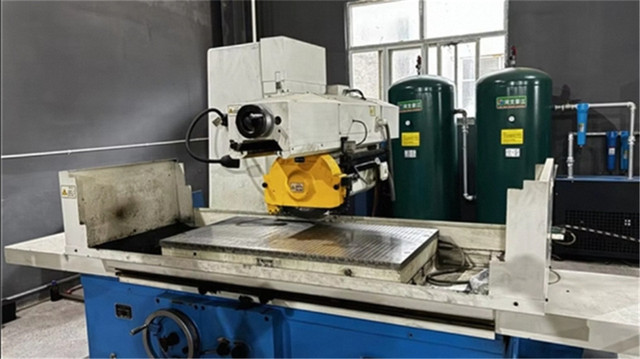
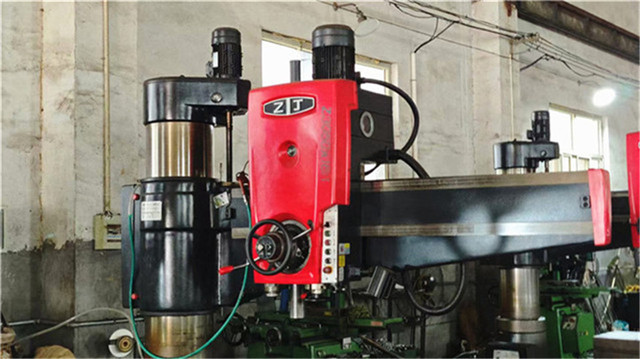
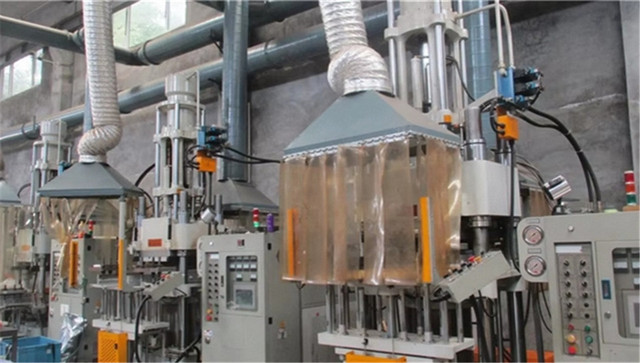
Pipmed operates modern manufacturing facilities equipped with advanced production lines and strict quality management systems in compliance with international standards. Our experienced R&D team continuously enhances product performance, integrating digital technologies and intelligent imaging solutions to meet the evolving needs of the medical industry.
We also offer flexible OEM and ODM services, enabling customized solutions based on specific market and application requirements. Guided by a commitment to quality, innovation, and customer satisfaction, Hangzhou Pipmed Medical Co., Ltd. strives to become a trusted partner in the global medical imaging field, delivering dependable radiology solutions worldwide.


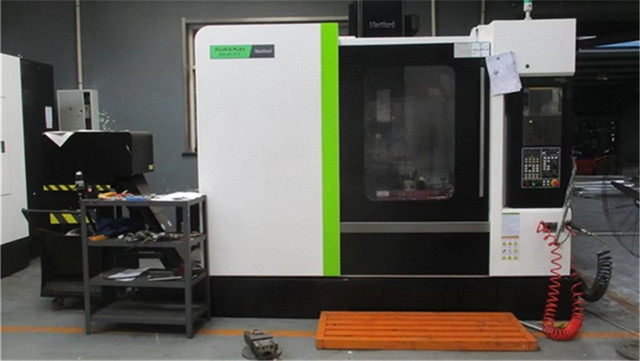
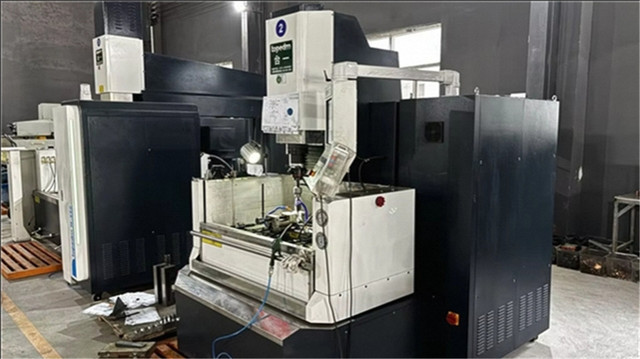
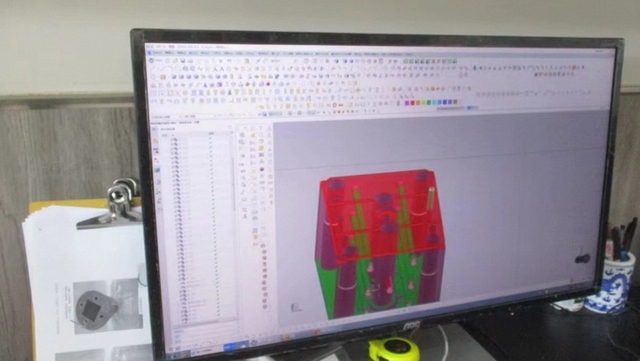
A direct assessment of hardware diagnostic categories and their integration with analytical systems.
| Diagnostic Equipment Category | Primary Data Outputs | Integration Architecture | Analytics Applications | Key Regulatory Standards |
|---|---|---|---|---|
| Digital Radiography & X-Ray Systems | DICOM High-Res Images | Direct PACS/RIS Integration | AI Anomaly Detection, Clinical Decision Support (CDSS) | FDA, CE, ISO 13485 |
| HPLC & Chromatography Software (CDS) | Chromatographic Spectral Data | Database/LIMS APIs | Quality Assurance Analytics, Chemical Component Verification | GMP, 21 CFR Part 11 |
| Intraoral & Dental 3D Scanning | 3D Tessellation Files (STL/OBJ/DICOM) | Cloud Dental Databases | Automated Restorative Design, Diagnostic Modeling | ISO 13485, CE |
| Automated Polymer Dosing Units | Flow telemetry, pH levels, concentration logs | SCADA & Laboratory IoT networks | Environmental safety monitoring, biochemical processing analytics | CE, Industrial Safety Directives |
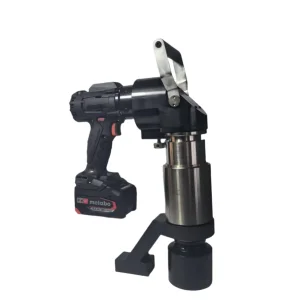
Converting raw mechanical and clinical metrics into structured diagnostic reports involves several intermediate steps. To ensure reliable performance, medical hardware must operate with high fidelity. For example, installing high-value imaging gantries or MRI arrays requires specialized installation tools. Implementing precise setups using Schmidt Low-Noise torque wrenches avoids mechanical vibration, protecting delicate micro-detectors from generating sensor artifacts that could distort analytic calculations.
Simultaneously, chromatography applications in modern hospital laboratories rely on clean-water telemetry. The deployment of advanced polymer preparation units ensures consistent coagulant dosing. The flow rates and density logs generated by these units feed predictive maintenance models, helping prevent downtime in central sterile supply departments (CSSD).
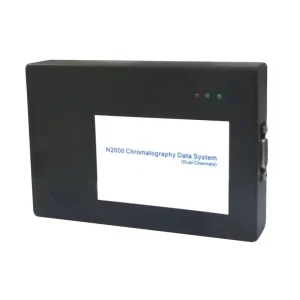
Finally, HPLC CDS Software (such as the N2000/N2010 dual-channel systems) acts as an analytical engine for lab assays. By exporting data directly into Laboratory Information Management Systems (LIMS), it provides clear audit trails, enabling automated batch verification and ensuring compliance with regulatory bodies.
Technical answers to common queries regarding integration, compliance, and systems engineering.
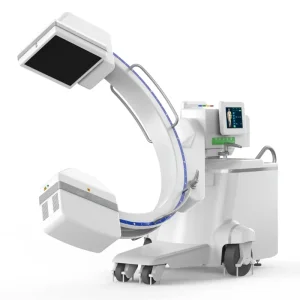
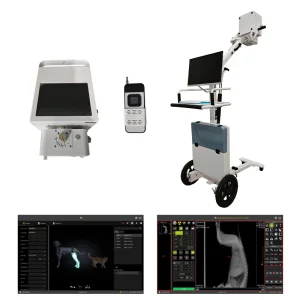
Modern imaging hardware, such as Pipmed's digital radiography and portable C-Arm systems, outputs standard DICOM files containing raw pixel data and patient metadata. This information is transmitted through local PACS networks and secure gateways using HL7 or FHIR protocols to feed cloud-based analytics platforms. These platforms run diagnostic support algorithms to assist clinical workflows.
Good Manufacturing Practice (GMP) compliance ensures that chromatography systems like the N2000/N2010 HPLC CDS software enforce data integrity. This includes electronic signature validation, secure access controls, and detailed audit trails to meet FDA 21 CFR Part 11 standards for pharmaceutical development and clinical lab diagnostics.
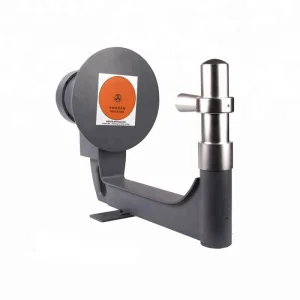
Edge processing allows portable diagnostic equipment to process raw image data directly on-device. This enables instant dental intraoral rendering and immediate diagnostic feedback for mobile clinics and veterinary applications, without requiring high-bandwidth connections to local servers.
Automated polymer dosing systems, such as PAC and PAM preparation units, manage the coagulation process in wastewater treatment and clinical laboratory settings. Integrating these systems with SCADA networks allows facilities to monitor chemical consumption in real-time, helping optimize efficiency and track environmental compliance.
ISO 13485 defines the quality management systems required for medical device design and manufacturing. Compliance ensures that products like digital mobile X-ray units and flat panel detectors are manufactured with consistent precision, helping guarantee patient safety and diagnostic reliability.
Explore additional clinical diagnostics and laboratory equipment engineered to support hospital data integration.