1 / 5
 Pipmed Medical
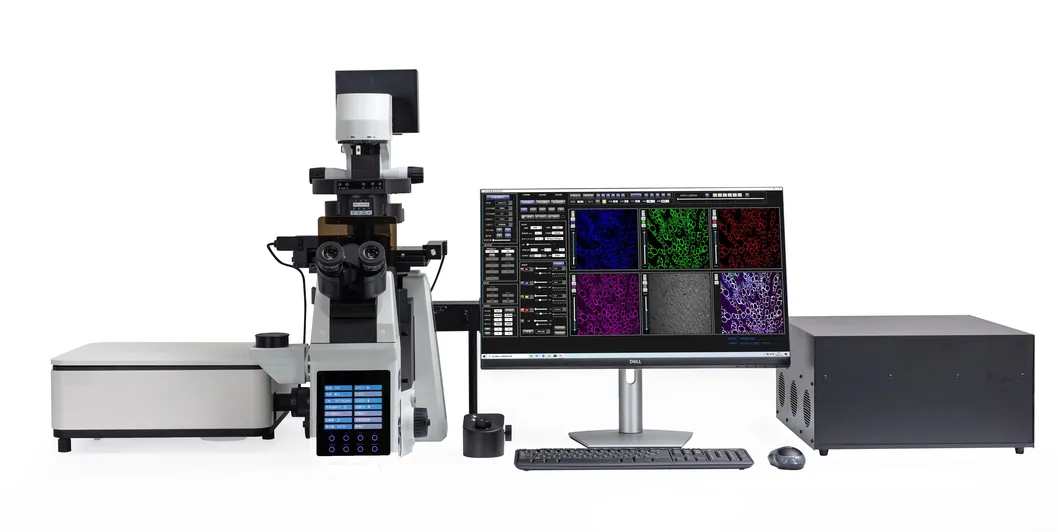
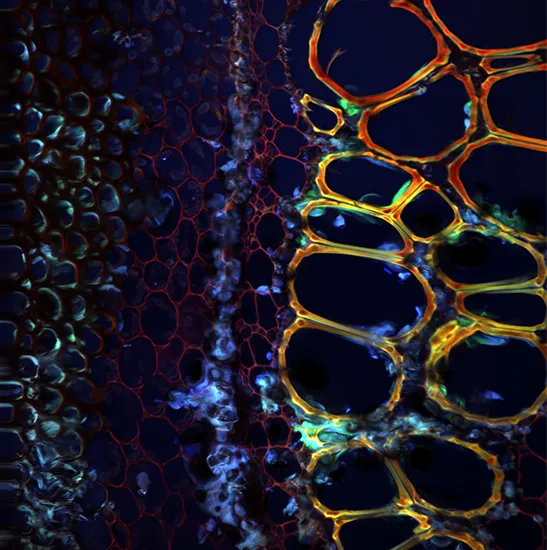
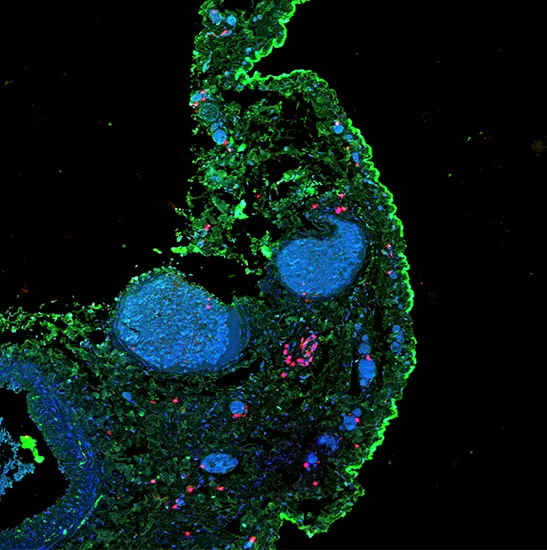
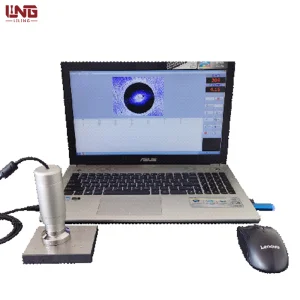
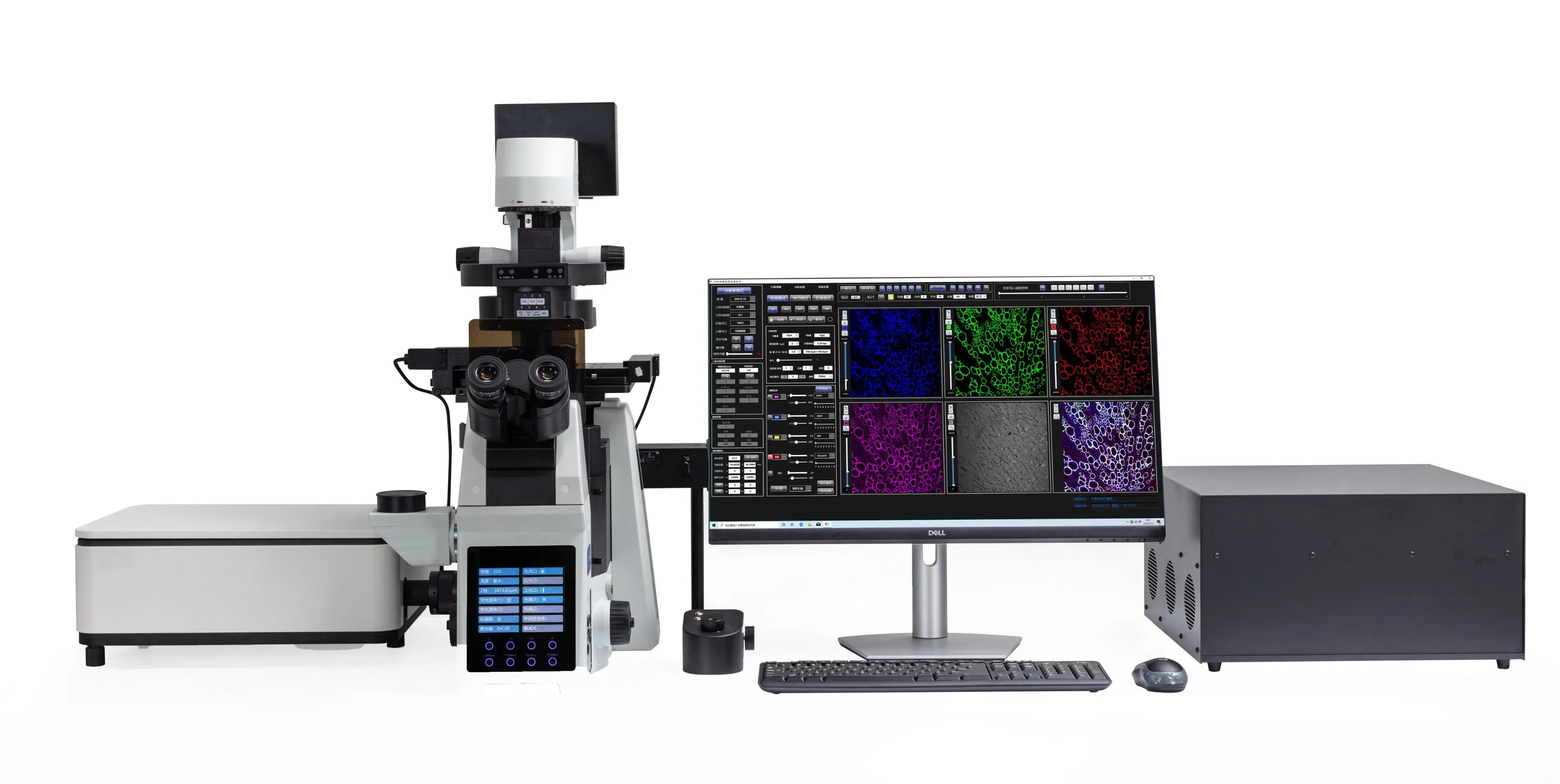
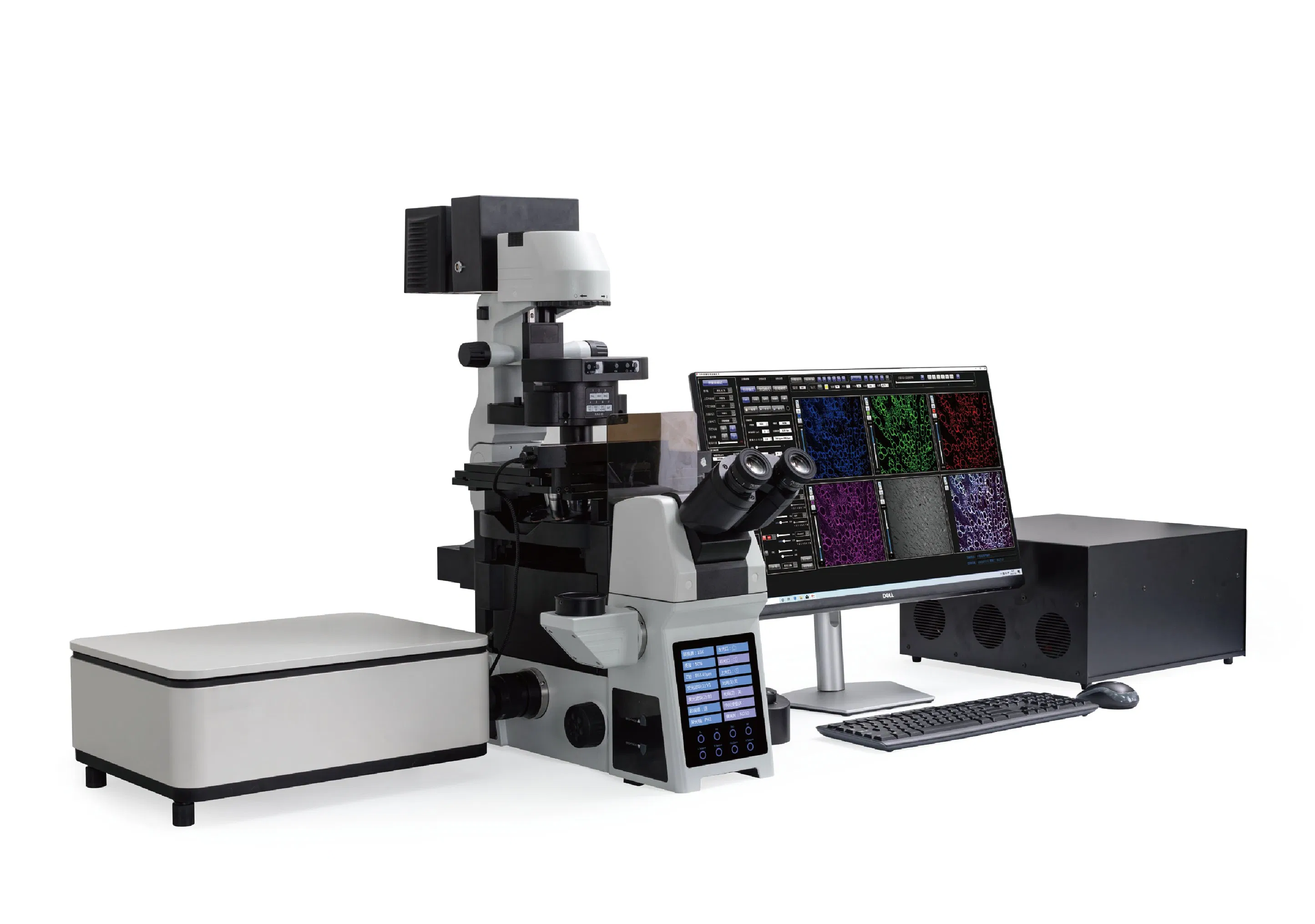
BCF297 is a newly launched laser scanning confocal microscope, which can achieve high-precision observation and precise analysis. It can be widely used in morphology, physiology, immunology, genetics and other fields. It is an ideal partner for cutting-edge biomedical research.
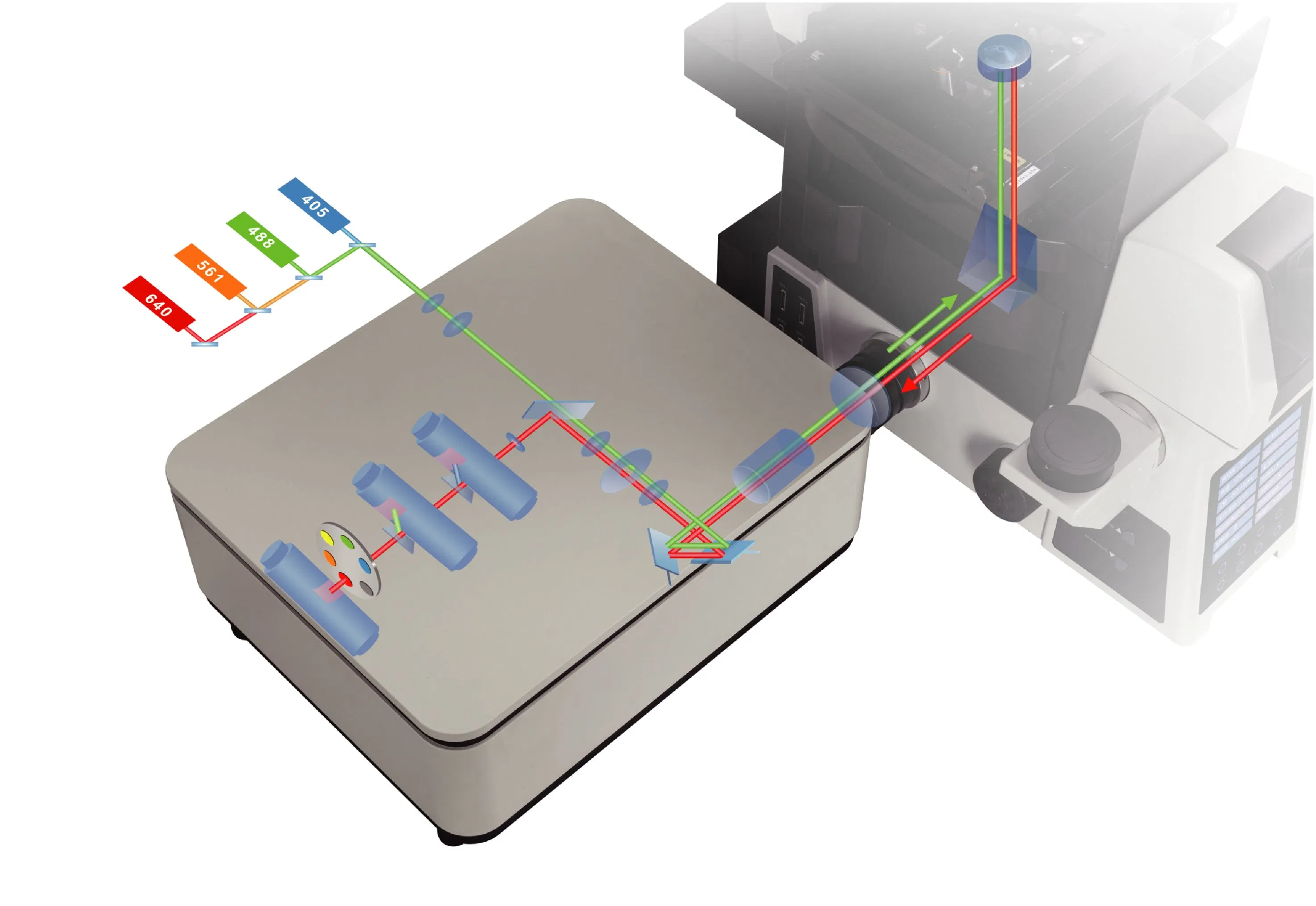
High-efficiency confocal imaging optical path can provide fluorescence images with extremely high signal-to-noise ratio even under weak fluorescence.
Wide spectrum, high numerical aperture lens, perfect for shooting various types of confocal samples.
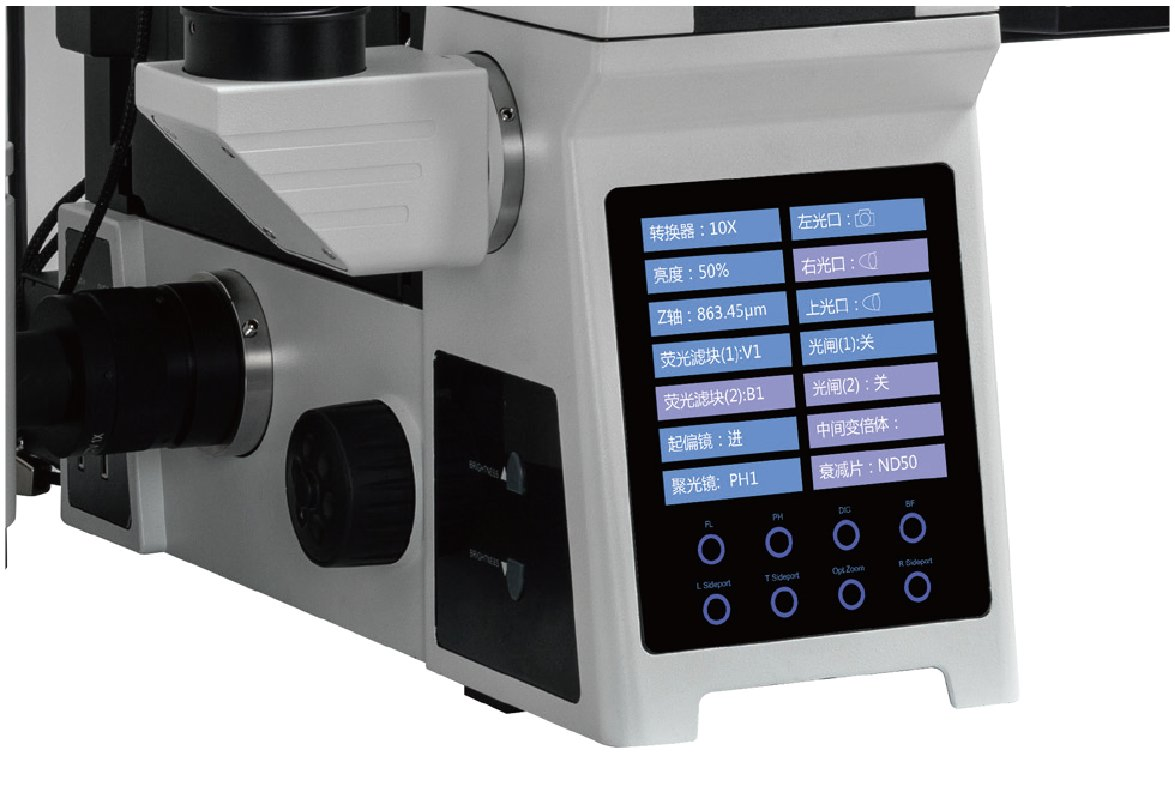
The Z-axis adopts a motorized device for quick height adjustment. AF One-button autofocus eliminates the need for fine-tuning steps and improves work efficiency.
Based on light reversibility, the excitation and emission light pass through the same pinhole, ensuring 100% conjugate relationship for higher sensitivity and resolution.
Supports 2D (XY), 3D (XYZ), 4D (XYZT) imaging and multi-site scanning. Features include large image stitching, scale correction, and photobleaching ROI definition.
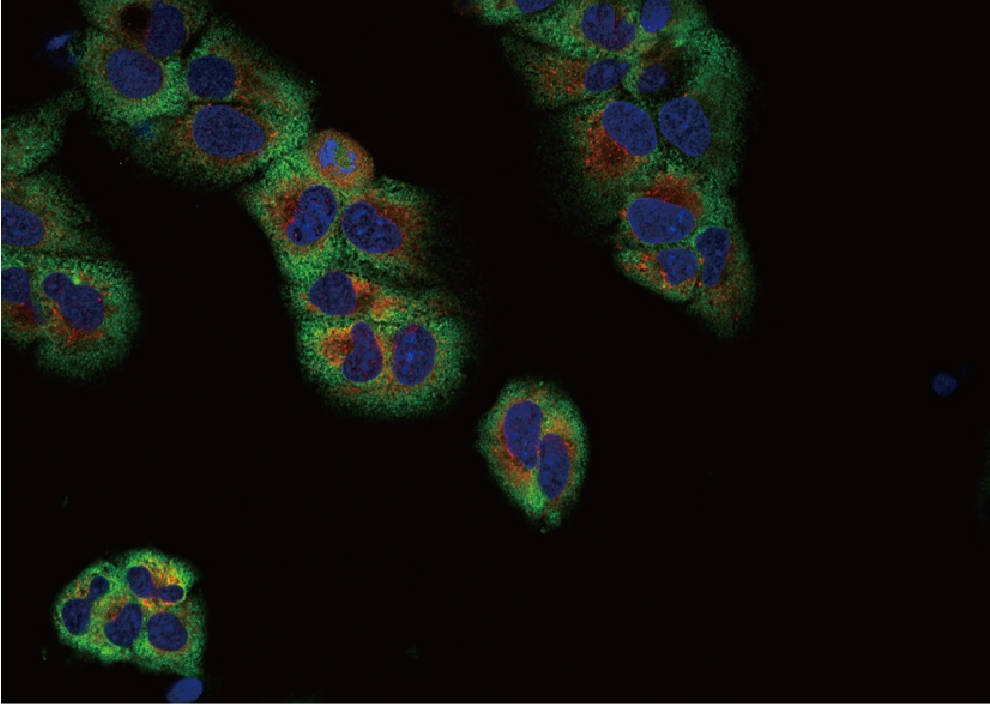
1. Cell Imaging: Accurately image cells labeled with various fluorescent proteins and multicolor probes, studying fluorescence colocalization and spatial relationships.
2. Histopathological Sections: Layer scanning suitable for large tissue sections of animals and plants, providing more accurate data.
3. Model Organisms: Ideal tool for imaging zebrafish, fruit flies, and nematodes with wide FOV and deep layer scanning.
4. Biomaterials: Observe interaction processes between inorganic nano hybrid materials and living cells for bio-photonics research.
| Item | Specification Details | BCF297-C | BCF297-E | BCF297-S |
|---|---|---|---|---|
| Optical System | Infinity Color Correction Optical System | Standard | Standard | Standard |
| Microscope Body | BS-2098 body, LED transmission, electric 7-hole condenser | Standard | Standard | Standard |
| Objectives | Infinity Plan/Super Apochromatic 4X-100X | Optional | Standard | Standard |
| Laser | 4-channel: 405nm, 488nm, 561nm, 640nm (>= 50mW) | Standard | Standard | Standard |
| Confocal Module | Scanning and detection unit (PMT/GaAsP options) | Standard | Standard | Optional |
| Stage | Manual mechanical or Electric stage options | Optional | Standard | Standard |
| Camera | SONY IMX/ICX series (5MP to 20MP options) | Optional | Optional | Optional |
Note: Above data represents standard and optional configurations for different models.