Global buyers often judge a product before reading its specifications. A blurry hero image can hide stitching, surface texture, color differences, or small defects. On a supplier page, these details influence trust within seconds. This is why buyers and sellers should ask, “what is the importance of image resolution” when preparing international product listings. Resolution is not merely a technical setting. It affects how confidently a buyer can inspect, compare, and shortlist an item from another market.
High-resolution images support clearer communication across languages and time zones. A procurement manager can zoom into a connector, label, fabric weave, or package seal without requesting several extra photos. That saves time. It also reduces avoidable misunderstandings about size, finish, and workmanship. From practical catalog work, consistency matters as much as sharpness. Images should show the same angles, lighting, and scale. Yet more pixels cannot repair poor lighting or misleading editing. That mistake is common. Over-compressed files may load quickly, but they can make a genuine product look unreliable. Extremely large files can create slow pages, especially on mobile networks. A careful approach balances detail, accurate color, fast loading, and honest presentation. Buyers remember visual inconsistency, even when the written description is strong. This guide examines five reasons image resolution matters for global buyers, while recognizing that image quality is only one part of responsible, evidence-based purchasing.
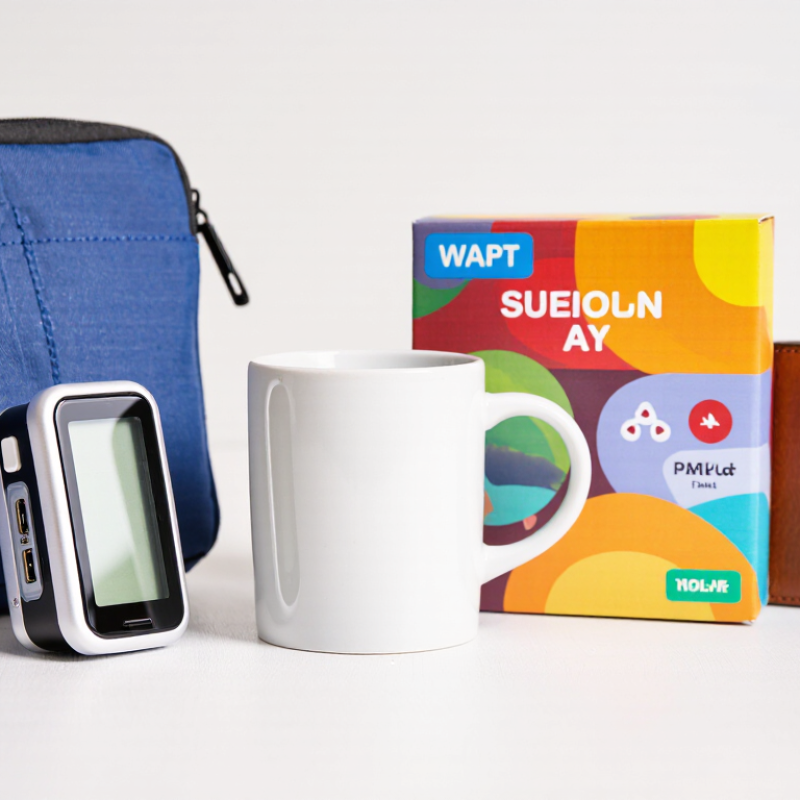
How Image Resolution Defines Visual Clarity and Product Detail
Top 5 Reasons Image Resolution Matters for Global Buyers
How Image Resolution Defines Visual Clarity and Product Detail
Image resolution directly shapes how buyers judge product quality online. High-resolution images preserve stitching, surface texture, color transitions, and small functional parts. These details matter when customers cannot touch the product. Baymard Institute reports that average online cart abandonment exceeds 70%. Unclear product information can intensify that hesitation. The image may not cause every lost sale, but it often weakens confidence.
Resolution also supports accurate comparison across countries and devices. A buyer viewing a product on a large monitor needs enough pixels for clean enlargement. A mobile shopper still needs sharp edges and readable details. The HTTP Archive Web Almanac identifies images as the largest contributor to webpage weight. This creates a practical tension: sharper files improve inspection, while oversized files slow loading. Compression must be careful. Too much compression creates halos, muddy textures, and unnatural colors.
From my experience reviewing product listings, buyers notice defects faster than sellers expect. A blurred zipper, hidden seam, or cropped measurement can trigger doubt. Small details matter. However, maximum resolution is not always better. Lighting, scale, color accuracy, and consistent angles also influence trust. A technically sharp image can still misrepresent a product. This is where teams should reflect, test images on real devices, and compare enlarged details with the physical item. Better clarity supports informed decisions, especially for global buyers facing distance, language differences, and limited return convenience.
Top 5 Reasons Image Resolution Matters for Global Buyers
How image resolution defines visual clarity and product detail across common print output sizes
1. Clearer Details
Higher pixel density preserves fine textures, edges, and product features.
2. Better Zooming
More pixels allow buyers to inspect products without visible pixelation.
3. Accurate Evaluation
Sharp images make materials, finishes, colors, and defects easier to assess.
4. Print Readiness
A 300 PPI source supports high-quality brochures, catalogs, and packaging proofs.
5. Professional Trust
Consistently sharp visuals create a more reliable buying experience across markets.
Pixel requirements are calculated at 300 PPI: print width × 300 and print height × 300. Values are rounded to the nearest whole megapixel.
How Resolution Influences Buyer Trust Across International Markets
Top 5 Reasons Image Resolution Matters for Global Buyers
How Resolution Influences Buyer Trust Across International Markets
Global buyers often meet a product through one image. That image must carry weight.
Baymard Institute reports that 56% of users begin product-page interaction by viewing product images.
A blurred label, rough fabric, or hidden connector can create immediate doubt. Buyers may wonder what else the seller has not shown.
Resolution also supports clearer product understanding across languages. A close image can reveal stitching, surface texture, measurements, and safety markings without relying on long translations.
Salsify’s 2023 Consumer Research found that 87% of shoppers consider product content very or extremely important when choosing where to buy.
Better visuals make that content easier to trust. They also help buyers compare products across different currencies and markets.
There is a practical balance. Oversized files can slow mobile pages, especially where network access is limited. Google’s mobile performance research has linked longer loading times with higher abandonment rates. The best approach uses sharp images, responsive compression, consistent lighting, and several useful angles. Show the real scale. Include close details. Avoid excessive retouching. Perfect images can feel suspicious.
We have seen buyers question colors that changed between photos and delivery. That concern is reasonable. Resolution cannot fix inaccurate photography, but it can expose more truth.
Each image should answer a buyer’s quiet question: “What will I actually receive?”
How Image Quality Supports Accurate Product Evaluation
Top 5 Reasons Image Resolution Matters for Global Buyers
For global buyers, product images often provide the first serious evaluation. A sharp file can reveal texture, stitching, edges, and small surface defects. On a low-resolution screen, these details may merge into blurry shapes. That small difference can influence perceived quality, size, and finishing standards. Details matter. In my experience, buyers make stronger decisions when images remain clear after moderate zooming.
Resolution also supports fair comparison between products from different suppliers. When two items appear in similar lighting and dimensions, image quality helps evaluators notice meaningful differences. A clear image can show material thickness, color transitions, hardware placement, and packaging condition. These details support more precise questions before sampling or ordering. However, high resolution cannot guarantee product quality. Pixels are not proof. Images may hide odors, flexibility, durability, or performance.
Reliable evaluation combines detailed images with specifications, measurements, and direct communication. Request consistent angles, close-ups, and photographs beside a familiar scale reference. Ask whether the image reflects the current production version. I once treated sharpness as a quality guarantee; that was too simple. Lighting can flatter weak finishes, while editing can remove useful imperfections. Buyers should inspect image consistency, not only image size. A trustworthy review process leaves room for uncertainty and verifies important claims through samples or documented checks.
How Resolution Affects Online Performance and Shopping Experience
Top 5 Reasons Image Resolution Matters for Global Buyers
Image resolution directly shapes online performance and shopping confidence. In storefront audits, oversized product photos often delay the first useful screen. The 2024 Web Almanac reports that images commonly represent about half of transferred webpage bytes. High-resolution files can therefore consume bandwidth before a buyer sees price, stock, or delivery details.
The effect is measurable. The Millisecond Makes Millions report found that a 100-millisecond speed improvement increased retail conversion by 8.4%. Every fraction matters. Yet resolution is not simply a race toward the largest file. A 4K product image may look impressive on a desktop, but it can frustrate shoppers using older phones or slower networks. Responsive dimensions, modern compression, and correctly sized thumbnails usually provide a better balance.
Resolution also affects product evaluation. Buyers need to inspect stitching, surface texture, color edges, and small defects. Blurry zoom views create doubt, especially when the purchase crosses borders and returns are inconvenient. However, sharp images cannot correct inaccurate color calibration or poor lighting. That assumption deserves review. A practical setup should deliver smaller previews first, then load detailed images when shoppers zoom. Testing should include mobile devices, weak connections, and different languages, because a page that feels fast in one market may feel painfully slow elsewhere.
How Global Sellers Can Choose the Right Image Resolution
Global sellers need more than a sharp-looking product photo. They need a resolution that survives marketplace rules, mobile screens, and customer zooming. In my image checks, a 2,000-pixel-long edge often provides enough detail without creating a heavy file. Yet this is not a universal formula. A handmade ceramic mug may need close texture, while a simple accessory may not.
Choose resolution from the buyer’s viewing experience. Start with the platform’s recommended dimensions, then match the largest planned display size. Keep the original file untouched. Keep originals. Export a web copy in a high-quality format, then inspect it at 100% zoom. Look for soft labels, jagged edges, and muddy shadows. Test it on a phone, too. Many sellers judge images on large monitors and miss mobile blur. Test it twice.
Resolution should also fit the image type. Product details, fabric weave, and technical parts benefit from larger files. Lifestyle images usually need balanced detail and faster loading. Avoid enlarging a small image. Software can add pixels, but it cannot recreate trustworthy detail. I have seen sellers over-compress images for speed, then lose buyer confidence through unclear edges. A better approach is measured testing: compare two export sizes, record loading time, and check whether buyers can inspect the product without guessing. There is no perfect setting. Review results after marketplace updates.
Conclusion
Image resolution plays a crucial role in how global buyers understand and evaluate products online. Clear, high-resolution images reveal important details such as texture, color, shape, and finish, helping shoppers form accurate expectations. Understanding what is the importance of image resolution also means recognizing its impact on buyer trust. When product visuals appear sharp and consistent, customers are more likely to view the seller as reliable, even when purchasing across different countries and markets.
Image quality also supports more confident product comparison and reduces confusion caused by unclear or pixelated visuals. At the same time, properly optimized resolution can improve page performance, loading speed, and the overall shopping experience on different devices. Global sellers should therefore choose a resolution that balances detail with file size, considering product complexity, viewing platforms, and customer needs. The right approach ensures that images remain attractive, informative, and accessible without slowing down online stores.
 Pipmed Medical

