Pipmed Medical
Imaging procedures play a crucial role in modern medicine. They help diagnose various conditions and guide treatment. However, ensuring safety during these procedures is paramount. There are potential risks like radiation exposure or allergic reactions. Thus, knowing how to ensure safety in imaging procedures is essential for both patients and medical staff.
Many healthcare professionals are well-trained. They understand the equipment and protocols. Yet, accidents can still occur. Continuous education and awareness are vital. It's important to involve patients in safety conversations. Understanding their history can prevent complications. Mistakes can happen, even in the most controlled environments.
Routine checks and maintenance of imaging devices are often overlooked. However, this is critical. Equipment should function correctly to avoid errors. Communication within the medical team is also key. Clear dialogue about procedures can enhance safety measures. A collaborative approach can identify potential risks early, leading to better outcomes for all.
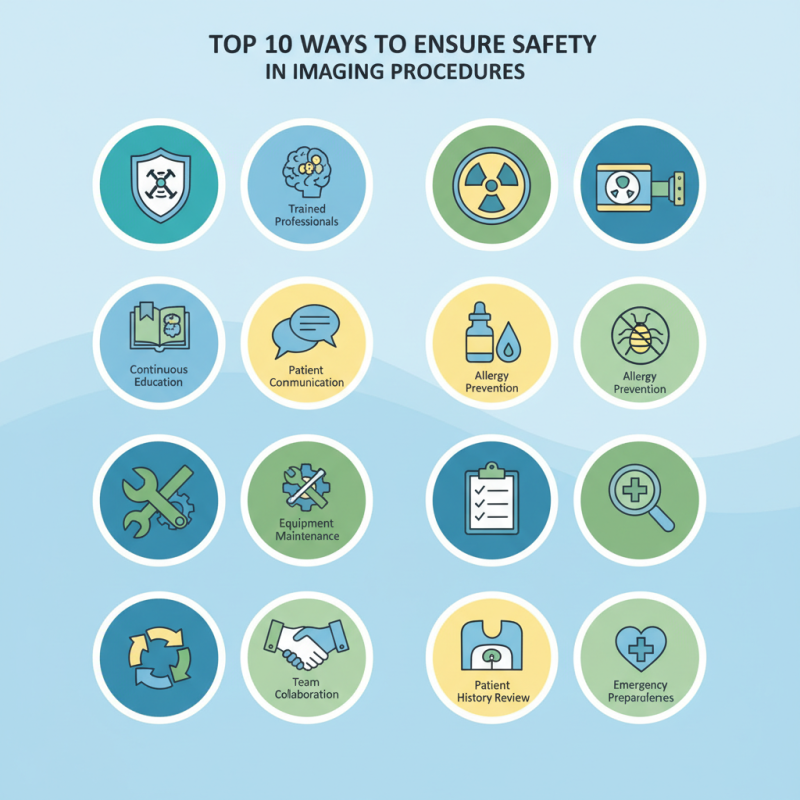
In imaging procedures, safety protocols are paramount. According to a study by the Radiological Society of North America, nearly 1 in 30 imaging procedures leads to an adverse event. This statistic underscores the need for rigorous safety measures. Implementing protocols not only protects patients but also enhances the overall reliability of the imaging process.
Staff training is vital. The American College of Radiology suggests that regular training reduces errors significantly. A well-trained team can better recognize potential hazards. Even simple mistakes can lead to serious consequences. When protocols are ignored, the risk increases dramatically. Proper checks can prevent many of these issues.
Incorporating technology is becoming essential. Systems that monitor radiation dosage, for example, can prevent excessive exposure. A Journal of Patient Safety report found that integrating technology into procedures can reduce incidents by up to 30%. Constant evaluation of safety protocols is necessary. Continuous improvement must be a focus for all imaging departments.
Radiation exposure in medical imaging is a critical concern for both patients and healthcare providers. According to a report from the National Council on Radiation Protection and Measurements (NCRP), medical imaging accounts for approximately 50% of the radiation exposure that the average person experiences annually. Understanding this statistic is vital for patients preparing for procedures such as X-rays, CT scans, or MRIs. Each imaging technique comes with varying degrees of radiation risk, and awareness can lead to informed decisions.
Patients often overlook the cumulative effects of multiple imaging procedures. The Biological Effects of Ionizing Radiation (BEIR) VII report highlights that frequent exposure can increase the risk of developing cancer later in life. However, not all imaging is avoidable. Medical professionals are tasked with minimizing radiation doses while ensuring diagnostic efficacy. Initiatives like Image Wisely provide guidelines to promote safe imaging practices. While these measures exist, the onus remains on both providers and patients to maintain open conversations about risks.
Despite advances in technology, some uncertainties persist. The balance between diagnostic benefits and potential harm can be challenging. Continuous education in radiation safety is crucial. Providers must foster a culture of safety, emphasizing that patients should ask questions about the necessity and safety of each procedure.
Quality control measures in imaging equipment are crucial for ensuring patient safety. Regular maintenance checks can prevent equipment malfunctions. They should be a routine part of imaging procedures. Technicians must be trained to perform these checks effectively. This helps in identifying potential issues before they affect patient care.
Calibration is another essential aspect. Regular calibration ensures that imaging machines produce accurate results. This not only boosts the reliability of diagnostics but also enhances patient safety. However, calibration procedures can sometimes be overlooked due to time constraints. This negligence can compromise the integrity of imaging results.
Documenting all quality control measures is vital. This documentation creates a reliable reference for future audits and assessments. It helps establish a culture of safety within imaging departments. Yet, some facilities may neglect thorough record-keeping. This could lead to gaps in quality assurance, diminishing overall safety standards. Attention to detail in quality control can make a significant difference in patient outcomes.
| No. | Safety Measure | Description | Implementation Frequency |
|---|---|---|---|
| 1 | Regular Equipment Calibration | Ensures imaging equipment is operating at manufacturer specifications. | Quarterly |
| 2 | Routine Maintenance Checks | Identifies wear and tear before it becomes a significant issue. | Monthly |
| 3 | Quality Assurance Testing | Evaluates the performance and reliability of imaging systems. | Biannually |
| 4 | Radiation Safety Protocols | Ensures compliance with national radiation safety guidelines. | Daily |
| 5 | Staff Training Programs | Trains personnel on equipment use, safety standards, and emergency procedures. | Annually |
| 6 | Incident Reporting Systems | Tracks safety incidents to improve processes and reduce risks. | Ongoing |
| 7 | Emergency Response Plans | Prepares staff to respond effectively to emergencies during imaging procedures. | Biannually |
| 8 | Patient Dosimetry Monitoring | Tracks radiation dose received by patients for safety compliance. | Per Procedure |
| 9 | Environmental Safety Audits | Checks imaging rooms for safety issues, ensuring a safe environment. | Annually |
| 10 | Patient Consent Verification | Ensures patients are fully informed and consent to procedures. | Per Procedure |
Training and education in safety practices are vital for imaging professionals. Reports indicate that nearly 70% of radiology incidents are linked to human error. This statistic highlights the importance of proper training. Professionals must be updated on the safest imaging techniques. Regular workshops and hands-on practice can improve skills significantly.
A comprehensive training program should include scenario-based learning. This method reinforces understanding and prepares staff for real-life situations. For example, training on radiation safety can reduce exposure risks for both patients and staff. Obstacles may arise in training implementations, such as time constraints and budget limitations. However, the investment in education pays off. Research shows that facilities with robust training dramatically lower incident rates.
Continuous education is essential. A survey by the Radiological Society of North America reported that about 40% of imaging professionals feel unprepared for new technology. Keeping staff informed on advancements ensures everyone uses the latest safety protocols. Addressing knowledge gaps creates a culture of safety. Regular assessments can identify areas needing attention, encouraging a proactive approach to safety.
Informed consent is a critical aspect of patient safety in imaging procedures. It ensures that patients understand the risks and benefits involved. Clear, concise communication is key. Patients should feel empowered to ask questions. This creates an environment of trust, crucial for effective care.
One effective tip is to provide written materials outlining the procedure. This can help patients absorb the information at their own pace. Visual aids, such as diagrams, can also enhance understanding. Always encourage patients to voice concerns or misconceptions, no matter how small.
Additionally, safety protocols must be communicated clearly. Staff should regularly review procedures with patients. This reinforces the importance of their role in safety. A step too many could lead to confusion. Striking a balance between thoroughness and clarity is essential. It's a continuous effort to improve communication methods for optimal patient engagement.
: Safety protocols are crucial as they protect patients and enhance reliability. Many procedures have potential risks that must be managed.
Regular training helps staff recognize hazards. A well-trained team can significantly decrease the risk of adverse events.
Technology, like radiation dose monitors, helps prevent excessive exposure. Integrating such systems can reduce incidents effectively.
Patients need to understand that medical imaging contributes to a significant portion of annual radiation exposure for individuals.
Frequent imaging may increase cancer risk. Awareness of cumulative effects is vital for informed decision-making regarding procedures.
Informed consent ensures patients understand procedure risks and benefits. Clear communication is essential for patient empowerment.
Visual aids like diagrams can improve understanding of procedures. They allow patients to absorb information at their own pace.
When patients voice concerns, it fosters trust. Open dialogue helps ensure their safety and engagement in the process.
Safety protocols should be reviewed regularly. This reinforces their importance and keeps patients informed about procedures.
It can be difficult to weigh diagnostic benefits against potential risks. Continuous education on safety plays a key role in addressing this.
In the realm of medical imaging, ensuring safety is paramount for both patients and healthcare professionals. To understand how to ensure safety in imaging procedures, one must first appreciate the critical importance of safety protocols. These protocols mitigate risks associated with radiation exposure, which can have significant health implications. Educating imaging professionals about these risks and the necessary safety practices is essential, as their expertise directly influences patient outcomes.
Moreover, implementing quality control measures in imaging equipment can help maintain high standards and reduce potential hazards. Patient safety is further emphasized through informed consent, which allows individuals to grasp the procedures they'll undergo. By combining proper training, robust safety protocols, and clear communication with patients, healthcare providers can effectively enhance safety in imaging procedures.
