Pipmed Medical
Diagnostic imaging is critical in modern healthcare. High-quality imaging leads to accurate diagnoses and effective treatment plans. However, errors can occur, impacting patient outcomes. Dr. Sarah Thompson, a leading expert in the field, emphasizes, "Reducing errors in diagnostic imaging is essential for patient safety."
Understanding how to reduce errors in diagnostic imaging involves analyzing various factors. These include equipment quality, technician training, and interpretation skills. Even minor mistakes can lead to misdiagnosis or unnecessary procedures. Inaccurate scans can have severe consequences for patients.
Improving diagnostic imaging requires a collective effort. Continuous education and training are crucial for radiologists and technicians. Regular equipment maintenance ensures optimal performance. Reflecting on current practices helps identify areas needing improvement. While the goal is perfection, acknowledging these challenges is vital for evolving the field.
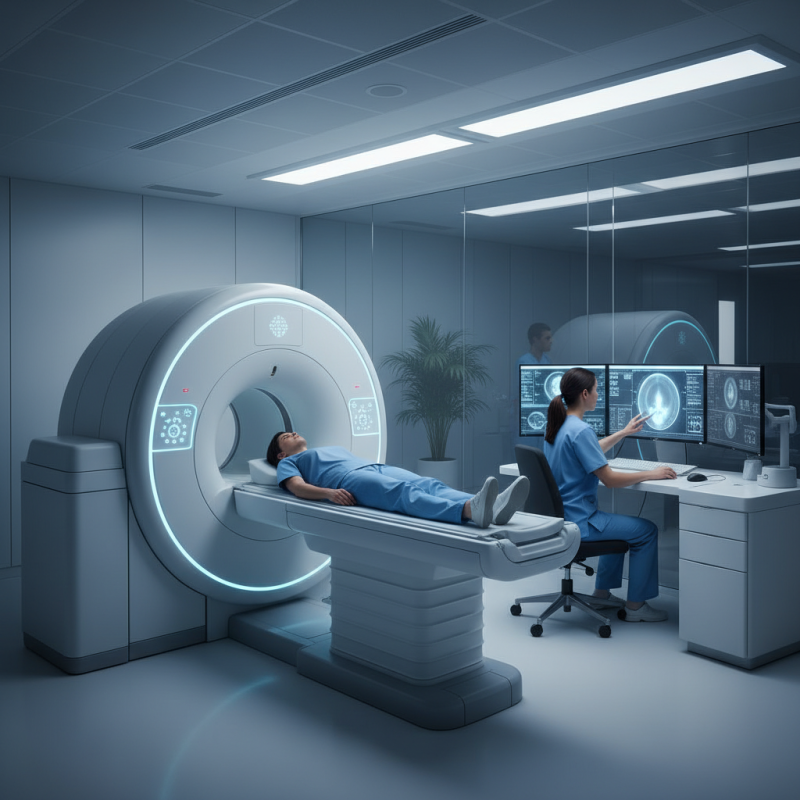
Diagnostic imaging is crucial for accurate medical assessments. However, various common errors can lead to misinterpretations. One prevalent error is mislabeling images. Such mistakes can confuse healthcare providers and delay proper treatment. Clear labeling is fundamental to avoid these potentially dangerous situations.
Another issue is the quality of images produced. Poor-quality images can obscure critical details, complicating the diagnostic process. Factors such as patient movement or equipment malfunction contribute to this problem. Regular equipment maintenance and proper patient instructions can help improve image quality.
The interpretation of images is also highly subjective. Radiologists might overlook subtle anomalies. Continuous education and the utilization of advanced software can enhance diagnostic accuracy. A culture of open discussion among practitioners can promote better understanding and reduce errors. Reflecting on these common pitfalls is essential for improving patient outcomes in diagnostic imaging.
Standardized protocols and procedures are essential for reducing errors in diagnostic imaging. A study published in the Journal of Medical Imaging found that implementing these protocols can decrease interpretation errors by up to 30%. This highlights the importance of adherence to established guidelines, which can lead to more accurate diagnoses and better patient outcomes.
Training staff on standardized procedures is crucial. Regular workshops and updates on imaging technology can significantly enhance the skills of radiologists and technicians. The American College of Radiology reports that facilities that implement ongoing training see a reduction in error rates. For example, a facility that revised its imaging protocols saw a 15% decrease in inconclusive scans within a year.
Organizations must also foster a culture of accountability. Team members should feel comfortable discussing errors and suggesting improvements. This open dialogue encourages continual learning. In a recent survey, 40% of imaging professionals acknowledged encountering errors but felt hesitant to report them. Addressing this challenge is vital for maintaining a high standard of care.
Training and education for imaging professionals play a crucial role in minimizing errors in diagnostic imaging. According to the Radiology Society of North America, up to 30% of imaging studies may contain errors due to inadequate training. This can result in misdiagnosis and inappropriate treatment. Strengthening the training process could significantly improve diagnostic accuracy. Emphasizing hands-on experience and continuous learning will equip practitioners with the skills needed to handle complex imaging technology.
Peer-reviewed studies indicate that ongoing education reduces errors by as much as 40%. Knowledge of the latest advancements in imaging techniques can enhance the decision-making skills of professionals. Collaborations between academic institutions and hospitals can facilitate better training programs. Regular workshops and simulations create realistic scenarios for professionals to practice. However, many programs still lack consistency in training quality.
Moreover, evaluating training effectiveness is often overlooked. Feedback mechanisms can highlight gaps in knowledge. Addressing these weaknesses can drive improvements in patient outcomes. Clinicians should not only focus on technical skills but also on a comprehensive understanding of best practices. Investing in education is essential, but the commitment to uphold training standards must also be prioritized.
In today's medical landscape, diagnostic imaging plays a critical role. However, errors can lead to devastating outcomes. Utilizing advanced technology is key to minimizing these errors and improving patient care. Artificial intelligence, for example, enhances image analysis and assists radiologists in detecting anomalies that are often overlooked. Machine learning algorithms continue to learn from vast datasets, refining their ability to predict and identify potential issues.
Tips for reducing errors include adopting standardized protocols. Consistency in image acquisition can significantly improve diagnostic accuracy. Regular training sessions for staff ensure they stay updated with the latest technology and methods. Encourage a culture of double-checking. Collaboration among healthcare professionals can lead to better interpretations of complex cases.
It's essential to acknowledge that technology, while powerful, is not infallible. Misclassifications can still occur, and reliance on automated systems must be balanced. Regular audits of diagnostic processes help reveal patterns of errors that can be addressed. Staying vigilant and adaptable is crucial in this ever-evolving field.
Effective communication among healthcare teams is crucial in reducing errors in diagnostic imaging. When radiologists, technologists, and referring physicians share clear and concise information, they foster a culture of safety. Misunderstandings often arise from vague terminology or incomplete data. Simple language can bridge gaps and ensure everyone is on the same page.
Regular team meetings provide an opportunity to discuss past cases. These discussions may identify recurring issues that need addressing. Feedback loops create an environment for continuous improvement. Transparency encourages team members to speak up about potential errors or concerns. This proactive approach strengthens collaboration and helps prevent future mistakes.
Implementing standardized protocols can also facilitate communication. Checklists for imaging procedures ensure that vital steps are not overlooked. Nevertheless, maintaining flexibility is important. Every patient is unique, and adaptability is key. When teams can balance structure with creativity, they are better equipped to deliver high-quality care.
: Mislabeling images and poor-quality images are prevalent errors. They can lead to confusion and complicate diagnoses.
Regular maintenance of equipment and clear patient instructions can improve image quality. This minimizes critical details being obscured.
Radiologists can overlook subtle anomalies during image interpretation. Continuous education and advanced software can help improve accuracy.
Implementing standardized protocols has been shown to decrease interpretation mistakes. Adherence to guidelines is crucial for accurate diagnoses.
Ongoing training through workshops enhances skills. Facilities with regular training see a noticeable reduction in error rates.
Effective communication among healthcare teams helps minimize misunderstandings. Clear, simple language can improve collaboration and safety.
Regular team meetings allow for discussing past cases. They can highlight frequent issues and promote a culture of continuous improvement.
Creating a culture of accountability encourages reporting errors. Team members should feel comfortable suggesting improvements and discussing mistakes.
While standardized protocols are important, teams must remain adaptable. Balancing structure with flexibility is key for high-quality care.
Many imaging professionals have encountered errors but hesitate to report them. This needs addressing for maintaining care standards.
In the quest to improve patient outcomes, understanding how to reduce errors in diagnostic imaging is essential. Common errors often arise from inadequate protocols or misinterpretations, highlighting the importance of implementing standardized procedures. By establishing clear guidelines, healthcare facilities can ensure consistency and reliability in imaging practices, thereby minimizing the risk of diagnostic errors.
Equally important is the enhancement of training and education for imaging professionals. Continuous professional development and training on the latest technologies can further equip practitioners with the skills needed to reduce inaccuracies. Utilizing advanced imaging technologies, along with fostering effective communication among healthcare teams, plays a critical role in error reduction, ensuring that all team members are aligned in their efforts to provide accurate diagnoses and improve patient care.
