Pipmed Medical Pipmed Medical

How to Reduce Radiation Exposure in Medical Imaging Safely?

Time:2026-05-05 Author:Aria
0%

The use of medical imaging has revolutionized diagnosis. However, it often exposes patients to radiation. It's crucial to explore how to reduce radiation exposure in medical imaging. Dr. Emily Harris, a radiology expert, emphasizes, "Minimizing radiation without compromising diagnostic quality is essential." Her insight reflects the core challenge in this field.

Radiology plays a vital role in modern medicine. Yet, concerns about radiation risks persist. Every imaging technique carries inherent risks. This paradox requires cautious navigation. Experienced professionals are continuously researching safer alternatives. They aim to balance the benefits of imaging with safety concerns. Understanding how to reduce radiation exposure in medical imaging is imperative for patient care.

Awareness is growing around radiation safety. Technological advancements offer some solutions. However, optimization often hinges on the skills and decisions of healthcare professionals. The responsibility to minimize exposure should not be taken lightly. As Dr. Harris points out, reducing exposure while maintaining diagnostic effectiveness is a complex, yet necessary endeavor. Each step taken must be scrutinized to ensure patient safety remains a priority.
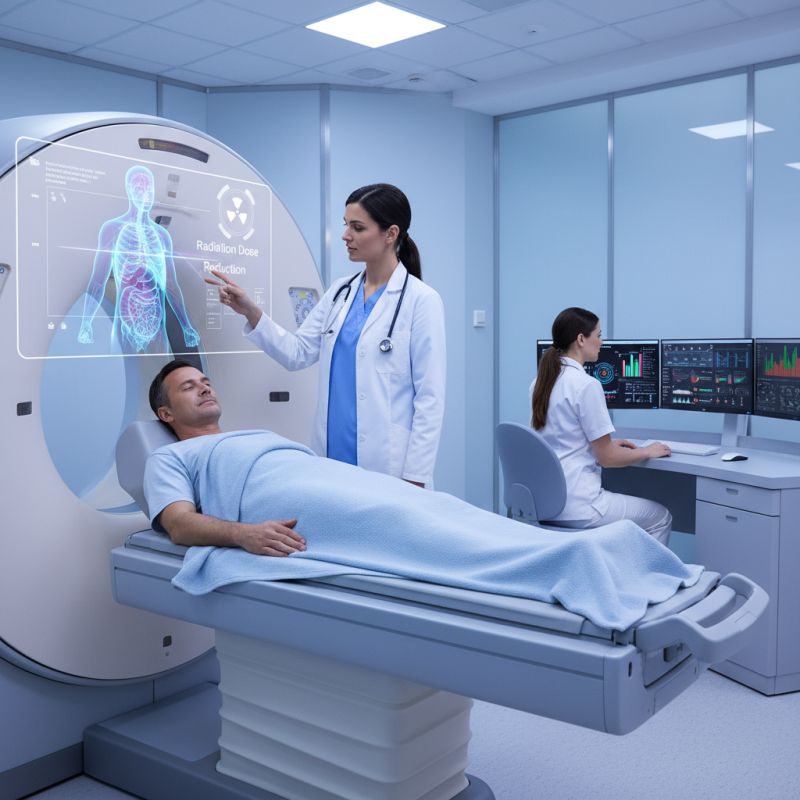
How to Reduce Radiation Exposure in Medical Imaging Safely?

Strategies for Minimizing Radiation in X-ray Imaging Procedures

Medical imaging, especially X-ray procedures, can expose patients to radiation. Awareness and strategies can minimize this risk effectively. Implementing specific techniques is key for safety.

Use the ALARA Principle. This stands for "As Low As Reasonably Achievable." Always aim to keep radiation doses low while achieving necessary diagnostic information. Engage in conversations with your healthcare provider about your imaging needs. Each case should balance risk and benefit.

Limit Repeat Imaging. Sometimes, patients may not need multiple X-rays. Discuss alternatives with your doctor. Remember, not every situation demands an X-ray.

Shielding Patients. Use lead aprons or other shielding devices. These tools help protect vulnerable areas when imaging is necessary. Make sure that all staff are trained in proper shielding techniques.

When evaluating these strategies, it’s essential to reflect on their effectiveness and relevance to individual cases. Continuous assessment ensures that medical imaging progresses safely, adhering to best practices.

Importance of Patient Shielding Techniques in Medical Imaging

Patient shielding techniques are essential in reducing radiation exposure during medical imaging. Studies show that proper shielding can decrease radiation dose by up to 50% for patients undergoing X-rays and CT scans. This is crucial, as cumulative exposure can lead to significant health risks. Vulnerable populations such as children and pregnant women require particular attention to shielding.

Implementing protective gear, such as lead aprons or shields, can effectively safeguard sensitive organs. The American College of Radiology emphasizes the importance of individualized shielding protocols. Transparent communication about the benefits and risks of imaging procedures can enhance patient cooperation. Health professionals must ensure that proper shielding is a routine practice in all imaging settings.

Tips: Always discuss the risks with patients before imaging. Tailor shielding techniques based on the patient's size and specific procedure. Encourage patients to voice concerns regarding their exposure. It is vital to maintain an open dialogue about radiation safety. This awareness can empower patients and promote safer imaging practices. The responsibility lies with healthcare providers to adapt and refine their shielding methods continually.

Radiation Exposure in Medical Imaging

This bar chart illustrates the average radiation doses associated with various medical imaging modalities, highlighting the importance of patient shielding techniques to mitigate exposure during these procedures.

Optimizing Imaging Protocols to Reduce Radiation Dose Effectively

In medical imaging, optimizing protocols can significantly reduce radiation exposure. By carefully adjusting the imaging parameters, healthcare providers can balance image quality with patient safety. For instance, decreasing the radiation dose while maintaining diagnostic effectiveness is crucial. Techniques such as using lower mA settings and reducing exposure time are often effective.

Moreover, the use of advanced imaging technologies can enhance safety. These methods can provide higher-quality images at lower radiation levels. Education and training for technicians and radiologists play a vital role here. They need to understand when to apply these new protocols. Consistent monitoring and adjustment of these settings are essential to achieve optimal results.

On the other hand, there are challenges in implementing these changes. Not all facilities may have access to updated equipment. Resistance to change can occur among staff due to established practices. Therefore, ongoing evaluation of imaging protocols is necessary. Regular audits can highlight areas for improvement, ensuring both safety and quality in patient care.

The Role of Advanced Technologies in Lowering Radiation Exposure

Advanced technologies are reshaping medical imaging, making it safer for patients. Techniques such as digital radiography and computed tomography have significantly reduced radiation doses. According to the American College of Radiology, appropriate imaging can lower exposure by up to 80%. These innovations utilize advanced filtration systems and enhanced imaging algorithms. This ensures high-quality images with minimal radiation exposure.


Artificial intelligence is another game-changer. AI algorithms can optimize imaging protocols, tailoring them to individual patient's needs. Research from the Radiological Society of North America shows that AI can reduce unnecessary scans, cutting down radiation exposure significantly. Moreover, image processing techniques enhance clarity, allowing for lower doses while maintaining diagnostic accuracy.


However, challenges remain. Not every facility can access the latest technologies. Disparities in resources may lead to uneven benefits. Training healthcare professionals in new systems is crucial, yet often neglected. Balancing innovation with proper education is essential for maximizing safety in medical imaging.

Guidelines for Safety in Pediatric Radiology to Protect Young Patients

Pediatric radiology poses unique challenges in ensuring the safety of young patients. Children are more susceptible to radiation than adults. Their rapidly growing tissues are sensitive to potential damage. Therefore, careful considerations must be taken during imaging. Special protocols are often needed to adapt techniques for smaller bodies. This includes using lower doses of radiation and optimized imaging equipment.

An important aspect is the communication between healthcare providers and families. Parents should be informed about the necessity of imaging and the methods used. This transparency fosters trust and alleviates anxiety. Clinicians must also evaluate the risk versus benefit of each procedure. Sometimes, alternative imaging methods can provide the needed information without radiation exposure. Radiologists often face the dilemma of maximizing image quality while minimizing doses.

Despite advances, challenges remain in standardizing safety practices. Each facility may have different protocols, leading to inconsistencies. Continuous education and training for staff is essential. Regular audits can help identify areas needing improvement. The goal should be to create a culture of safety that prioritizes the well-being of pediatric patients while delivering effective diagnostic care.

FAQS

: What does

LARA stand for in medical imaging?

Why should repeat imaging be limited?

Not every situation needs multiple X-rays. Discussing alternatives can reduce unnecessary radiation exposure.

How effective is patient shielding in reducing radiation?

Proper shielding can cut radiation doses by up to 50% during X-rays and CT scans, which is significant.

Who needs special shielding considerations?

Sensitive groups like children and pregnant women require heightened attention during imaging procedures.

What is essential for implementing patient shielding?

Proper training for staff and individualized shielding protocols enhance the effectiveness of protection during imaging.

How should healthcare providers communicate with patients about risks?

Open dialogue regarding risks promotes patient cooperation and awareness of radiation safety.

Why are children more vulnerable to radiation exposure?

Children's rapidly growing tissues are more sensitive to potential damage from radiation compared to adults.

What should be done to ensure safety in pediatric radiology?

Careful imaging protocols, lower doses, and optimized equipment are critical for protecting young patients.

What is a challenge in pediatric radiology safety?

Variability in safety protocols among facilities can create inconsistencies in managing radiation risks for children.

How can facilities improve their imaging safety practices?

Regular audits and ongoing staff education are vital for identifying areas needing improvement in safety practices.

Conclusion

Reducing radiation exposure in medical imaging is crucial for ensuring patient safety while obtaining necessary diagnostic information. Effective strategies include implementing patient shielding techniques that protect vulnerable areas during X-ray procedures, and optimizing imaging protocols to minimize radiation doses without compromising image quality. Additionally, advanced technologies play a pivotal role in lowering exposure levels, allowing for safer imaging practices.

In pediatric radiology, special guidelines are necessary to safeguard young patients from the risks associated with radiation. By focusing on "how to reduce radiation exposure in medical imaging," healthcare professionals can enhance safety measures and utilize innovative techniques to ensure that patients receive optimal care with minimal risk. These combined efforts contribute to a safer imaging environment for all individuals, particularly those who are more susceptible to the effects of radiation.

Aria

Aria

Aria is a dedicated marketing professional with a deep passion for innovative strategies and a keen understanding of our company's product offerings. With a wealth of experience in the industry, Aria excels at crafting engaging content that highlights the unique features and benefits of our......