Pipmed Medical
Patient safety in imaging is a critical concern within healthcare. According to a study by the World Health Organization, medical imaging errors contribute significantly to diagnostic inaccuracies. These errors can lead to severe consequences for patients and raise concerns about quality of care. Understanding how to improve patient safety in imaging is essential for healthcare providers and administrators alike.
Implementing proven strategies can enhance patient safety in this vital aspect of medical care. For instance, rigorous training for imaging staff is paramount. A report from the American College of Radiology highlights that well-trained personnel can reduce error rates by up to 40%. Furthermore, leveraging technology, such as dose management systems, can ensure accurate imaging while minimizing risk.
However, challenges remain. Workflow issues and communication gaps often contribute to patient safety events. Despite robust protocols, lapses can still occur, reminding us of the need for continuous improvement. By focusing on these strategies, the industry can work towards a safer imaging environment for all patients.
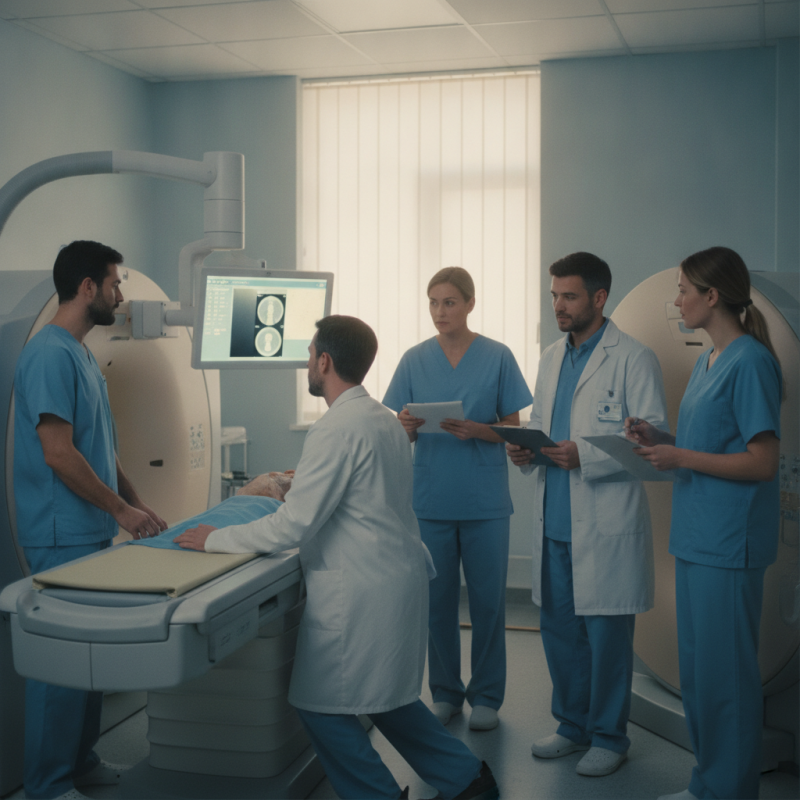
Patient safety in medical imaging is essential for quality healthcare delivery. This area often faces unique challenges due to the complex nature of imaging technologies.
Ensuring patient safety means reducing the likelihood of errors and adverse events during imaging procedures. It can also lead to better patient outcomes and a decrease in repeat imaging, which minimizes exposure to radiation.
Effective communication among healthcare providers plays a critical role in maintaining safety. Clear protocols enhance collaboration and reduce misunderstandings. Additionally, continuous education is vital for all staff involved in imaging.
Training ensures that everyone understands safety practices and stays updated on new technologies. Staffing levels must also be considered; inadequate staffing can lead to rushed procedures and mistakes.
Despite the best efforts, there are areas requiring reflection. For instance, overreliance on technology may contribute to complacency. Equipment failures are another concern that can compromise patient safety.
Adopting a proactive approach means regularly assessing equipment functionality and staff readiness. Incorporating feedback from patients about their experiences can also reveal insights for improvement. Recognizing these vulnerabilities is key to advancing patient safety in imaging practices.
Advanced technology plays a crucial role in minimizing imaging errors, enhancing patient safety. Recent studies show that nearly 40% of diagnostic errors in imaging can be attributed to human factors. By integrating advanced software solutions, healthcare facilities can significantly reduce these errors. Machine learning algorithms can analyze imaging data more rapidly and accurately than a human radiologist, improving diagnostic precision.
Moreover, utilizing artificial intelligence (AI) in imaging allows for real-time error detection. Advanced imaging systems can alert radiologists to potential discrepancies. A report by the Radiological Society of North America indicates that AI integration in imaging can lower false positive rates by up to 30%. This not only improves patient outcomes but also aids in resource management by reducing unnecessary procedures.
However, reliance on technology is not without challenges. There are concerns regarding technology's limitations. Although AI can enhance accuracy, it may also introduce a new type of error. In some cases, the technology might misinterpret data due to biases in training datasets. Continuous training and validation of these systems are necessary to ensure their reliability. Balancing human expertise with technological advancements is essential for maximizing patient safety and minimizing risks.
Implementing standardized protocols for imaging procedures is essential for enhancing patient safety. These protocols serve as a set of guidelines that ensure consistency and minimize risks. When staff follows predefined steps, errors decrease. For example, protocols can outline specific imaging techniques for various conditions. It helps avoid wrong-site imaging or misinterpretation of results.
Training staff on these standardized protocols is crucial. Regular training sessions ensure that everyone understands their role. Clear communication improves teamwork and patient outcomes. Checking equipment before use is part of these protocols. However, not all clinics follow thorough checks. Some facilities overlook minor equipment faults. This can lead to patient discomfort or inaccurate results. Regular audits can help identify these gaps.
Patient identification must be a priority within these protocols. Repeated checks can prevent mix-ups. While this may seem excessive, it’s vital for safety. Cultural changes in imaging practices take effort. Resistance might occur when implementing new protocols. Staff may feel overwhelmed by additional tasks. Yet, embracing these changes can lead to better care and fewer incidents.
| Tip | Description | Expected Outcome |
|---|---|---|
| Standardized Protocols | Develop and implement standardized protocols for imaging procedures to ensure consistency. | Reduced variability in imaging practices. |
| Training & Education | Regular training sessions for staff on updated protocols and technologies. | Increased staff competency and reduced errors. |
| Clear Communication | Establish robust communication channels among radiologists, technicians, and patients. | Enhanced understanding of procedures and expectations. |
| Checklist Utilization | Use checklists before, during, and after imaging procedures to ensure all steps are followed. | Minimized risk of oversight and errors. |
| Patient Identification Procedures | Strict protocols for patient identification to prevent mix-ups. | Increased patient safety and trust. |
| Emergency Protocols | Establish clear protocols for handling emergencies during imaging procedures. | Faster response times and improved patient outcomes. |
| Radiation Safety Measures | Implement protocols that minimize radiation exposure to patients. | Safer imaging practices. |
| Feedback Systems | Create systems for gathering feedback from staff and patients. | Continuous improvement in safety protocols. |
| Technology Utilization | Leverage advanced imaging technologies that have safety features. | Higher quality images with reduced risks. |
Training and educating staff on safety measures in imaging is crucial. A well-trained team can significantly reduce errors. According to a study by the Institute of Medicine, two million preventable injuries occur each year in US hospitals. This highlights the importance of continuous education in imaging practices.
Regular workshops and hands-on training sessions help keep staff updated. Staff should not only grasp technical skills but also understand the safety protocols. For instance, the American College of Radiology suggests that radiologists must routinely undergo safety training. This can lead to a notable decrease in patient exposure to unnecessary radiation.
Incorporating simulations and role-playing scenarios can clarify safety protocols for staff. A report from the World Health Organization indicates that 70% of clinical errors stem from communication failures. Regular training can address these gaps. However, some facilities may overlook the importance of ongoing education. This can lead to complacency and an increased risk of errors. Regular assessments can help identify knowledge gaps and improve overall safety practices.
Effective communication among healthcare teams greatly enhances patient safety in imaging. A study from the National Institute of Health highlights that communication failures contribute to 70% of sentinel events. These failures often occur during handoffs or case discussions, leading to misunderstandings that can jeopardize patient care.
Utilizing structured communication tools can significantly improve clarity. The SBAR (Situation, Background, Assessment, Recommendation) technique is effective. When teams consistently use SBAR, the likelihood of miscommunication decreases. Data suggests that teams using standardized communication see up to a 25% reduction in adverse events. Furthermore, regular interdisciplinary meetings can bolster trust and collaboration, ensuring everyone is on the same page regarding patient care strategies.
However, not all teams implement these effective practices. Some still rely on informal conversations, leading to oversight. Acknowledging this gap is crucial. Continuous training in communication skills is essential for all staff. Building a culture that values clear and concise dialogue is equally important. This proactive approach can prevent errors and foster better patient outcomes in imaging services.
: Patient safety enhances healthcare quality, reduces errors, and improves outcomes in imaging procedures.
Clear communication reduces misunderstandings and enhances teamwork, vital for maintaining safety during imaging.
Continuous education keeps staff updated on safe practices and new technologies, ensuring better patient care.
Inadequate staffing can rush procedures, leading to mistakes and risks to patient safety.
They ensure consistency, reduce risks, and outline specific steps to minimize errors during imaging.
Repeated checks prevent mix-ups and enhance safety, even if it feels excessive.
Some facilities overlook minor faults, leading to discomfort or inaccurate results for patients.
Tools like SBAR enhance clarity, reduce miscommunication, and prevent adverse events in patient care.
It fosters trust and collaboration, significantly improving patient safety and care strategies.
Staff may resist cultural changes due to feeling overwhelmed by new tasks, risking patient safety.
In the realm of medical imaging, enhancing patient safety is paramount to ensuring optimal outcomes. To effectively address how to improve patient safety in imaging, healthcare professionals must focus on several key strategies. Firstly, the implementation of advanced technologies can dramatically reduce imaging errors, leading to more accurate diagnoses. Standardized protocols for imaging procedures further contribute to consistency and reliability in practice.
Additionally, training and educating staff on safety measures and best practices is crucial. This empowers healthcare providers to recognize and mitigate risks associated with imaging. Lastly, enhancing communication among healthcare teams fosters collaboration and a shared understanding of safety concerns, ultimately improving patient care. By focusing on these proven tips, healthcare facilities can create a safer environment for patients undergoing imaging procedures.
