Pipmed Medical Pipmed Medical

How to Maintain Imaging Equipment for Optimal Performance?

Time:2026-05-25 Author:Amelia
0%

Imaging equipment plays a vital role in various industries, from healthcare to research. Understanding how to maintain imaging equipment is essential for optimal performance and longevity. Regular maintenance ensures that machines provide accurate images, which is critical for decision-making. Neglecting care can lead to malfunctions, costly repairs, and compromised results.

Routine checks help identify potential issues before they escalate. It's important to clean the equipment regularly to prevent dust buildup. Additionally, monitoring software updates keeps the systems running smoothly. Technicians should document maintenance activities meticulously. This creates a reliable history for each piece of equipment.

In practice, even experienced users can overlook small details. A missed cleaning session might not show immediate effects, but problems could arise later. Each step counts when aiming for high-quality imaging. Embracing a structured maintenance routine can save time and resources in the long run.
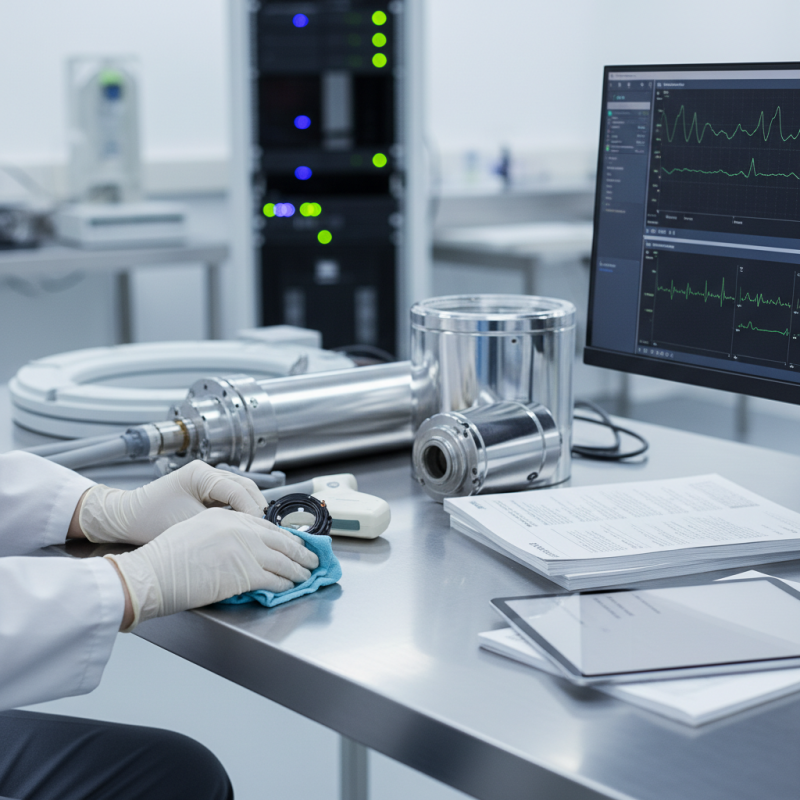
How to Maintain Imaging Equipment for Optimal Performance?

Understanding the Importance of Imaging Equipment Maintenance

Imaging equipment plays a critical role in various industries, from healthcare to printing. Regular maintenance is not just a suggestion; it’s essential for optimal performance. Proper upkeep can prevent costly downtimes and improve image quality. Neglecting maintenance can lead to unexpected failures. Such issues may disrupt workflows and affect the overall quality of work.

Understanding the importance of maintenance is key. It involves cleaning, calibrating, and updating software regularly. Each task may seem small, but cumulative neglect can lead to serious problems. For instance, dust accumulation can obscure images. This simple issue can cause frustration among users and clients alike. A little care goes a long way in ensuring your equipment functions as intended.

Moreover, staff training on maintenance procedures is often overlooked. Employees need to know how to handle equipment properly. This knowledge reduces mishandling incidents that can damage sensitive parts. Establish a routine schedule for maintenance checks. Remember, an ounce of prevention is worth a pound of cure. Regular attention to your imaging equipment is a proactive approach that pays off in the long term.

Identifying Common Issues in Imaging Equipment

Imaging equipment plays a crucial role in many industries. However, issues can arise that affect performance. Regular maintenance helps identify these common problems early. According to a report by the International Imaging Industry Association, up to 30% of imaging equipment failures stem from inadequate maintenance.

One common issue is misalignment of the imaging sensors. This misalignment can lead to distorted images or reduced clarity. Regular calibration checks, ideally every six months, can prevent this from becoming a larger problem. Another frequent issue involves dust and debris accumulation. Research shows that even minor particles can degrade image quality significantly. Simple cleaning routines can mitigate this risk and enhance device longevity.

Inefficient software can also impair imaging performance. Keeping software updated is essential. Outdated software may not support new imaging technologies. Neglecting software updates might not seem pressing, but it can lead to substantial delays in processing times. Imaging professionals should conduct regular audits to identify these inefficiencies. Addressing these common issues requires attention and diligence, but the rewards of optimal imaging performance are well worth the effort.

Step-by-Step Cleaning Procedures for Imaging Devices

Maintaining imaging equipment is essential for consistent performance. Regular cleaning plays a vital role in achieving this. Dust and debris can accumulate, affecting image quality. Establishing a routine cleaning schedule helps keep your devices in top shape.

Start with the external surfaces. Use a soft, lint-free cloth to wipe down the casing. Dampen the cloth slightly with a gentle cleaning solution. Avoid oversaturation, as moisture can damage sensitive components. Pay close attention to buttons and vents, where dirt often gathers.

Tips: Always handle equipment with clean hands. This minimizes the transfer of oils and grime. Consider using compressed air to remove dust from crevices. It’s a simple solution that often makes a big difference.

Next, focus on the lenses and other optical elements. Use lens cleaning solution and a microfiber cloth designed specifically for this purpose. Make circular motions to avoid streaks. Remember, improper cleaning can lead to scratches.

Tips: Be cautious with more delicate components. Rushed cleaning can result in damage. Reflect on your technique and ensure you’re not applying too much pressure. A little patience pays off in the long run. Regularly checking for worn parts can help prevent larger issues, too.

Regular Calibration Techniques for Optimal Imaging Performance

Regular calibration is vital for maintaining optimal imaging performance. Accurate imagery hinges on well-calibrated equipment. Calibration ensures the devices produce consistent and reliable results. Technicians should routinely check settings based on established national standards. This practice minimizes errors in image quality.

It’s essential to create a calibration schedule. Daily checks can be cumbersome, but weekly inspections help identify discrepancies early. Simple tools like color targets and contrast charts are effective for quick assessments. Documenting each calibration aids in tracking performance over time. However, it's not uncommon to overlook maintenance when workloads increase. This can lead to gradually declining image quality.

Gaining expertise in calibration techniques requires ongoing training. Professionals should seek workshops and courses. Learn to recognize subtle shifts in image output. Sometimes, minor adjustments can yield significant improvements. Familiarizing oneself with the equipment’s quirks can also enhance understanding. Continuous reflection on calibration practices will pave the way for better imaging outcomes. Prioritize this aspect to elevate the overall quality of imaging services.

Storage and Handling Practices for Longevity of Equipment

Proper storage and handling of imaging equipment is crucial for ensuring its longevity and optimal performance. Temperature and humidity play significant roles in this process. Keep equipment in a climate-controlled environment, ideally between 20-25°C with 40-60% humidity. Storing devices in cases or padded bags helps protect against dust and accidental drops. Regular inspection of equipment for any signs of wear or damage can prevent more significant issues later on.

Handling is equally important. Always use clean hands or gloves when touching sensitive parts. Avoid placing equipment on unstable surfaces. It's easy to forget these simple practices, yet they can lead to dire consequences if neglected. Make it a habit to follow proper protocols every time you use your equipment. Establish a routine for checking connections and cables, ensuring everything is securely in place.

Additionally, be mindful of how often you use your equipment. Overextension can lead to wear and tear. Limiting use during peak times and ensuring adequate breaks will keep equipment in better condition. Reflect on your current practices. Are they thorough enough? Regularly assessing these habits is vital for maintaining the life of your imaging gear.

Maintenance Practices for Imaging Equipment Longevity

FAQS

: Why is regular calibration important for imaging equipment?

: Regular calibration ensures accurate and consistent imaging results. It minimizes errors and maintains optimal performance.

How can I develop a calibration schedule?

Create a weekly inspection plan. Daily checks can be overwhelming. Weekly checks allow for early discrepancy detection.

What tools can I use for quick calibration assessments?

Simple tools such as color targets and contrast charts work effectively. They help perform quick and easy evaluations.

What should I do if I forget to calibrate?

It's common to overlook calibration during busy times. Reflect on the impact of neglecting this practice on image quality.

How does storage affect the longevity of imaging equipment?

Proper storage in controlled environments prevents damage. Temperature and humidity should be kept within ideal ranges.

What handling practices should I follow?

Always use clean hands or gloves. Avoid unstable surfaces to prevent accidents. These simple rules ensure safe operations.

How often should I inspect my equipment?

Regular inspections for signs of wear or damage are essential. Delaying this can lead to major issues later on.

Can usage frequency impact equipment performance?

Yes, overusing equipment can cause wear and tear. Limit use during peak times to maintain better condition.

How can I improve my calibration skills?

Seek workshops or courses to enhance your skills. Recognizing minor shifts can lead to significant improvements.

What should I reflect on regarding my current handling practices?

Assess whether your handling methods are thorough. Regular reflection can reveal areas needing improvement for better equipment care.

Conclusion

Maintaining imaging equipment is crucial for ensuring its optimal performance and longevity. To understand how to maintain imaging equipment effectively, one must first recognize the importance of regular maintenance and the common issues that can arise, such as image distortion or mechanical malfunctions. Implementing systematic cleaning procedures tailored to different imaging devices helps prevent buildup of dust and debris, while routine calibration is essential for achieving accurate imaging results.

Furthermore, proper storage and handling practices play a significant role in extending the life of imaging equipment. By keeping devices in controlled environments and handling them with care, users can minimize wear and tear. Overall, being proactive with maintenance routines will help in sustaining the quality and performance of imaging equipment over time.

Amelia

Amelia

Amelia is a seasoned marketing professional with a wealth of expertise in our company’s core offerings. With an unwavering passion for driving growth and innovation, she plays a pivotal role in shaping our marketing strategies and enhancing brand visibility. A key aspect of her responsibilities......