Pipmed Medical Pipmed Medical

What Are the Latest Trends in Medical Imaging Equipment?

Time:2026-06-25 Author:Sienna
0%

The landscape of medical imaging equipment is rapidly transforming. As technology advances, healthcare providers seek better solutions. The question arises: what are trends in medical imaging equipment?

Recent developments focus on enhancing accuracy and efficiency. Artificial intelligence plays a significant role. Many devices now incorporate AI for improved diagnostics. This trend helps clinicians make informed decisions faster.

Moreover, portable imaging devices are gaining traction. They offer flexibility and accessibility, particularly in remote areas. However, challenges remain, such as ensuring consistent image quality. The integration of new technologies demands careful evaluation and training. As the industry evolves, professionals must adapt to these innovations.
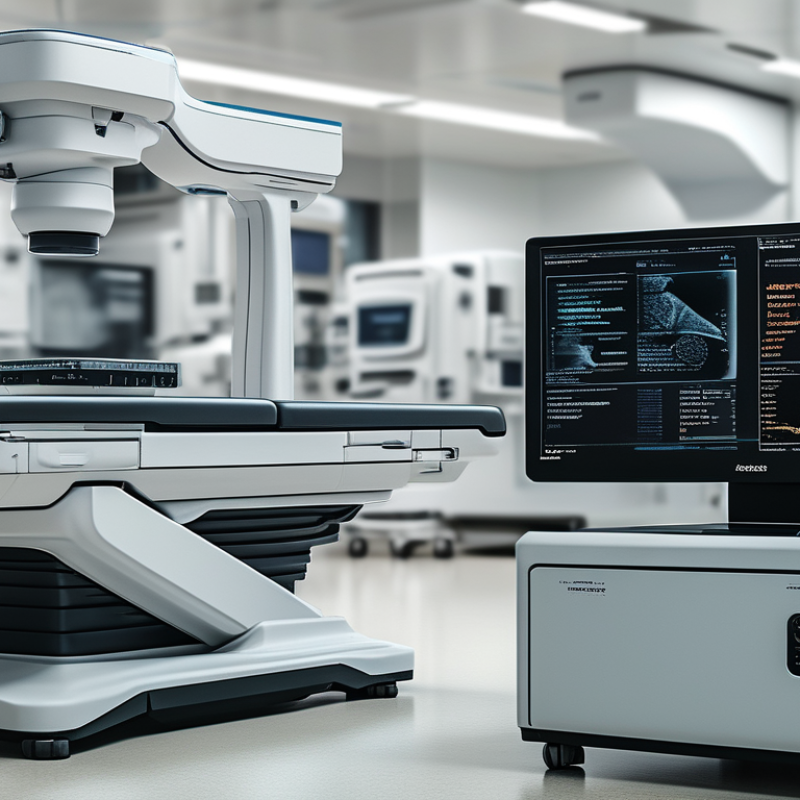
What Are the Latest Trends in Medical Imaging Equipment?

Overview of Medical Imaging Equipment Trends

The medical imaging equipment landscape is rapidly evolving. Recent reports indicate that the market is projected to reach $45 billion by 2025, driven by technological advancements. Artificial intelligence is leading the charge by enhancing diagnostic capabilities. This transformation allows for faster image analysis and improved accuracy.

Moreover, portable imaging devices are gaining traction. Their rise offers healthcare access in remote areas. According to a recent survey, 30% of clinics are adopting point-of-care imaging solutions. This shift not only increases efficiency but also reduces patient wait times.

However, challenges persist. The integration of new technologies often comes with a steep learning curve for medical staff. A study found that 40% of practitioners feel unprepared to utilize advanced imaging techniques effectively. Continuous training and support are crucial for successful implementation. As we observe these trends, it is clear that the future of medical imaging holds both promise and challenges.

What Are the Latest Trends in Medical Imaging Equipment?

Trend Description Impact Year Adopted
Artificial Intelligence Integration AI algorithms are being used to enhance imaging accuracy and reduce diagnosis time. Improves diagnostic confidence and efficiency. 2022
Portable Imaging Devices Development of lightweight, portable machines for bedside diagnostics. Increases accessibility and convenience for patients and healthcare professionals. 2023
3D Imaging Technology Advancements in 3D imaging provide clearer and more detailed visualization. Enhances surgical planning and improves patient outcomes. 2021
Telemedicine Integration Medical imaging solutions are now being integrated with telemedicine platforms. Facilitates remote consultations and improves patient access to specialists. 2022
Enhanced Imaging Software New software improvements provide better image processing and analysis tools. Increases diagnostic accuracy and operational efficiency. 2023

Advancements in MRI Technology and Applications

Advancements in MRI technology are transforming the landscape of medical imaging. High-field MRI systems are now more common. They offer improved resolution and faster scanning. This allows for detailed visualization of organs and tissues. Clinicians can detect smaller abnormalities. Early diagnosis is crucial for positive patient outcomes.

Recent innovations include functional MRI (fMRI). fMRI measures brain activity by detecting changes in blood flow. This technique is valuable for understanding neurological disorders. Patients can participate in tasks during scans. This enhances the interpretation of brain function. However, the complexity of fMRI data can complicate analysis. Specialists must strive for accuracy and clarity.

Another exciting trend is the integration of artificial intelligence. AI can assist radiologists by automating image analysis. It speeds up diagnoses and reduces human error. Yet, reliance on AI may raise concerns. Professional judgment is still vital. Balancing technology use with expert analysis is key. Continuous training and adaptation are necessary to stay current in this evolving field.

Emerging Innovations in Ultrasound Imaging Techniques

Ultrasound imaging techniques are experiencing significant innovations. These advancements are reshaping how healthcare professionals diagnose and treat conditions. High-resolution imaging now provides clearer and more detailed views of internal structures. For instance, 3D and 4D ultrasound technologies enhance visualization during prenatal scans, allowing expectant parents to see their babies in greater detail.

Mobile ultrasound devices are gaining traction too. They offer flexibility and convenience. Medical professionals can perform scans at patients' bedsides or in remote locations. This accessibility improves patient care significantly. However, the increased reliance on mobile technology raises concerns about the standardization of imaging quality. Ensuring consistent diagnostic accuracy across various devices remains a challenge.

Another emerging trend is the integration of artificial intelligence in ultrasound imaging. AI algorithms assist in interpreting images, potentially reducing the risk of human error. Yet, there’s an ongoing debate about the implications of AI in medical decision-making. Balancing machine efficiency and human intuition is crucial for patient outcomes. As ultrasound technology evolves, careful reflection on these innovations will be essential to maximize their benefits.

Latest Trends in Medical Imaging Equipment

The Role of Artificial Intelligence in Medical Imaging

Artificial intelligence (AI) is revolutionizing medical imaging. It enhances diagnostic accuracy and speeds up image analysis. For example, AI algorithms can detect anomalies in X-rays or MRIs. This capability reduces workload for radiologists and helps prioritize urgent cases. However, reliance on AI raises concerns about trustworthiness and interpretability in critical decisions.

Integration of AI into imaging systems is not without challenges. Data privacy remains a significant issue. Ensuring that patient information stays confidential is paramount. Moreover, AI systems must be transparent. Clinicians need to understand how decisions are made. This understanding is crucial for patient safety and effective treatment planning.

As AI continues to evolve, it must be rigorously tested. Validation against real-world scenarios is essential. There are still many questions regarding the ethical implications of AI in healthcare. **Balancing technology and human expertise is vital.** The future of medical imaging may depend on this delicate equilibrium. So, further discussions are needed to navigate this landscape responsibly.

Integration of Portable Imaging Devices in Healthcare Settings

The integration of portable imaging devices is reshaping healthcare. These innovative tools enhance diagnosis and treatment, making medical imaging more accessible. Doctors can take imaging technology directly to the patient's bedside or even remote locations. This shift is significant, particularly in emergencies, where quick decision-making can save lives.

Portable devices like handheld ultrasound and mobile X-ray machines have gained traction. These innovations are vital for urgent care and rural settings, where traditional imaging may be unavailable. However, healthcare providers must ensure that these devices meet safety and quality standards. There are still concerns about the accuracy of results. Striking a balance between convenience and reliability is crucial.

Training medical staff on the effective use of these devices poses challenges. Not all practitioners are familiar with new technology, which can compromise patient care. Continued education is necessary to address knowledge gaps. As portable imaging becomes more prevalent, healthcare systems must adapt to ensure both quality service and effective patient outcomes.

FAQS

: What are the current trends in medical imaging equipment?

: The medical imaging landscape is evolving with a projected market reaching $45 billion by 2025.

How is artificial intelligence impacting medical imaging?

AI enhances diagnostic capabilities, speeding up image analysis and improving accuracy for better patient outcomes.

Why are portable imaging devices becoming popular?

Portable devices provide greater access to healthcare in remote areas, reducing patient wait times and increasing efficiency.

What challenges do medical staff face with new imaging technologies?

Many practitioners feel unprepared to use advanced techniques, highlighting the need for continuous training and support.

What advancements have been made in MRI technology?

High-field MRI systems offer improved resolution and faster scans, helping detect smaller abnormalities for early diagnosis.

How does functional MRI (fMRI) contribute to understanding brain function?

fMRI detects blood flow changes during tasks, providing insights into neurological disorders, though data complexity can complicate analysis.

What innovations are seen in ultrasound imaging techniques?

High-resolution and 3D/4D ultrasound technologies improve visualization, especially during prenatal scans for better patient experience.

Are mobile ultrasound devices beneficial?

Yes, they enhance flexibility by allowing scans at bedsides or remote locations, but standardization of quality remains a concern.

What role does AI play in ultrasound imaging?

AI assists in interpreting ultrasound images, reducing human error, but ethical concerns regarding decision-making remain a debate.

Why is balancing AI and human intuition important in imaging?

Both are vital to ensure accuracy and enhance patient outcomes, as reliance solely on technology may lead to oversight.

Conclusion

In recent years, the field of medical imaging equipment has witnessed significant advancements that reflect the latest trends in medical imaging equipment. Key developments include enhanced MRI technologies that provide sharper images and new applications for diagnosing complex conditions, along with innovative ultrasound techniques that improve patient outcomes through better visualization.

Furthermore, the integration of artificial intelligence is transforming medical imaging by enabling more accurate interpretations and reducing workloads for healthcare professionals. Additionally, there is a growing trend towards portable imaging devices, which are becoming increasingly vital in various healthcare settings, allowing for improved access to diagnostic tools in remote or underserved areas. These advancements collectively highlight the dynamic evolution of medical imaging, underscoring the importance of keeping abreast of what are trends in medical imaging equipment.

Sienna

Sienna

Sienna is a skilled marketing professional with a deep expertise in our company’s core products and services. With a passion for innovation and detail, she plays a pivotal role in crafting insightful blog posts that not only highlight the unique features of our offerings but also provide valuable......