Pipmed Medical
In today's healthcare landscape, high-quality imaging is crucial for accurate diagnosis and treatment. This article explores how to improve imaging quality in hospitals. Many facilities struggle with outdated equipment and insufficient training. These issues can lead to misdiagnoses and increased patient risk.
Implementing advanced technology is essential. However, it requires investment and proper maintenance. Regular quality assessments can guide which strategies are effective. Training staff to utilize imaging tools is equally important. Skilled professionals provide better imaging outcomes.
Despite these solutions, some hospitals still lag in imaging practices. Barriers such as budget constraints and resistance to change can hinder progress. Therefore, understanding how to improve imaging quality in hospitals is vital for patient safety and care. By addressing these issues, hospitals can elevate their imaging standards, ultimately benefiting their patients.
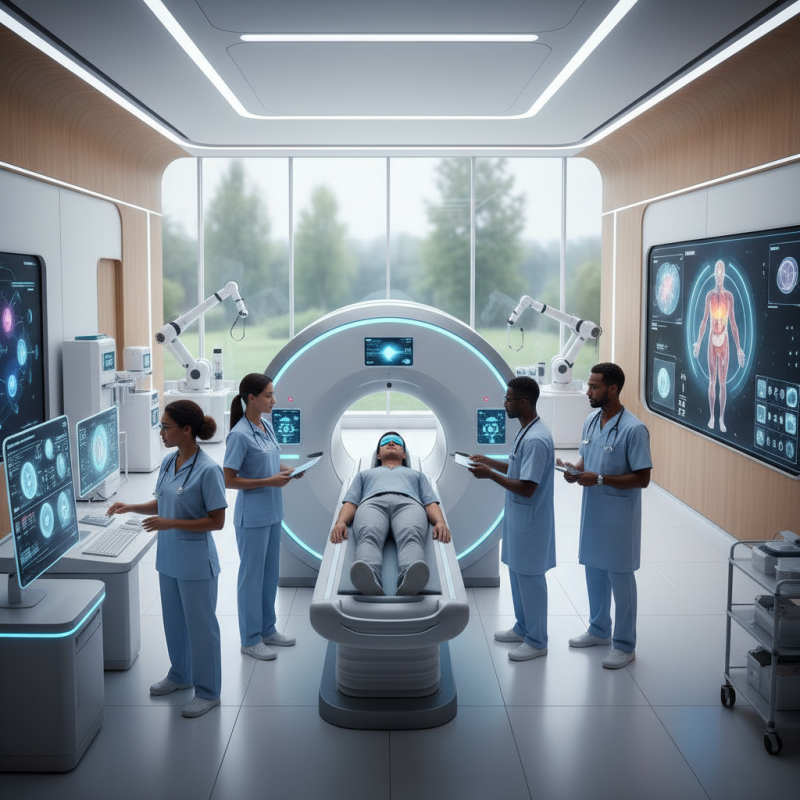
The current landscape of imaging technologies in hospitals reveals both advancements and challenges. Data from a 2022 report by the Radiological Society of North America indicates that nearly 70% of hospitals utilize advanced imaging modalities. However, about 30% of these institutions still rely on outdated equipment. This can lead to subpar image quality and increased patient safety risks.
Enhancing imaging quality requires regular assessments and upgrades. For instance, the American College of Radiology suggests that periodic quality control tests can greatly improve diagnostic accuracy. Unfortunately, many medical facilities lack structured protocols for assessing imaging technologies, which contributes to inconsistent results. This gap highlights the need for a systematic approach to evaluate not just technology but also staff training.
Moreover, emerging technologies like AI show promise. According to a study published in the Journal of Digital Imaging, AI can reduce diagnostic errors by 15%. However, integration remains uneven across facilities. Many hospitals face difficulties in implementation and effective use of this technology. This disparity reflects an ongoing need for better education and resources. Addressing these issues is key to ensuring high-quality imaging for all patients.
This chart illustrates the effectiveness of various techniques employed to enhance imaging quality in hospitals. Each method is assessed based on its impact using a rating scale from 1 to 10, where 10 represents the highest improvement in imaging quality.
Continuous education and training are crucial for radiology staff in hospitals. Developing expertise in imaging technology improves diagnostic accuracy. Regular workshops and hands-on training can deepen understanding of complex imaging systems. Staff should engage in learning about the latest advancements in imaging techniques and protocols. This commitment fosters a culture of excellence and innovation.
In many institutions, training may not be as comprehensive as needed. Some staff might feel overwhelmed with new technologies. It's important to address these gaps through tailored programs. Peer mentoring can facilitate knowledge sharing. Encouraging staff to attend webinars and conferences also enhances their skills. Continuous feedback from experienced professionals plays a vital role in this process. Reviewing past cases allows for improvement and creates opportunities for reflection. Investing in ongoing education ultimately leads to better imaging quality and patient care.
Regular maintenance and calibration of imaging equipment is crucial for ensuring high-quality diagnostic results in hospitals. When imaging devices are not properly maintained, their performance can degrade. Regular check-ups can catch issues early, preventing disruptions in patient care. A simple dust buildup can affect image clarity, leading to misdiagnoses and delays in treatment.
Technicians must follow strict protocols for calibration. Each imaging modality requires specific tools and processes. Consistent training helps staff stay updated on best practices. Despite this, many facilities still overlook routine checks. This neglect can stem from budget constraints or time pressures. However, investing in regular maintenance pays off in improved diagnostic accuracy.
Consistency in approach is key to effective maintenance schedules. Setting reminders for check-ups helps ensure compliance. Some staff may perceive maintenance as a lower priority. However, the impact on patient outcomes is significant. Prioritizing equipment health reflects a hospital’s commitment to quality care. Balancing operational demands with attention to detail remains a challenge, yet it is essential for reliability in imaging services.
Advanced imaging software solutions play a crucial role in enhancing imaging quality within hospitals. These solutions leverage cutting-edge algorithms to improve clarity and accuracy. When implemented correctly, they can significantly reduce diagnosis times and enhance patient outcomes. For instance, enhanced noise reduction techniques can dramatically improve image quality under challenging conditions. This makes it easier for radiologists to identify abnormalities more effectively.
However, the implementation process is not without challenges. Many hospitals struggle with integration into existing systems. Training staff to utilize new software effectively requires time and resources. Moreover, the constant evolution of technology necessitates ongoing education to stay current. Hospitals must invest in best practices for software maintenance, ensuring reliable functionality. Regular audits can help identify weaknesses in imaging processes. By addressing these issues, hospitals can better harness the full potential of advanced imaging solutions.
| Strategy | Description | Expected Outcome |
|---|---|---|
| Upgrade Hardware | Invest in high-resolution imaging devices. | Improved image clarity. |
| Advanced Imaging Software | Implement AI-driven software for image analysis. | Faster diagnosis and detection accuracy. |
| Regular Training | Conduct regular training sessions for radiologists. | Enhanced expertise and operational efficiency. |
| Quality Control Protocols | Implement standardized quality control measures. | Consistent imaging quality across procedures. |
| Patient Preparation | Educate patients on the importance of preparation. | Cleaner and clearer images. |
| Feedback Mechanisms | Establish feedback systems from clinicians. | Continuous improvement in imaging practices. |
| Integration of Systems | Ensure systems are integrated seamlessly. | Streamlined workflows and data access. |
| Patient Safety Protocols | Enforce stringent safety protocols. | Reduced risk during imaging procedures. |
| Research and Development | Invest in R&D for innovative imaging technologies. | Long-term enhancements in imaging techniques. |
| Data Analytics | Utilize analytics for imaging performance metrics. | Informed decision-making for quality improvements. |
In recent years, hospitals have increasingly prioritized patient-centric imaging protocols to enhance overall imaging quality. Studies indicate that a more tailored approach can improve patient comfort and reduce anxiety. According to a report by the American College of Radiology, imaging discomfort can decrease by over 30% when patients are actively informed about the procedure. This shift empowers patients, leading to a more positive experience.
Implementation of techniques such as open MRI systems and the use of patient-preferred sedation options can also make a significant difference. A survey from the Radiological Society of North America revealed that 65% of patients preferred a more personalized imaging experience. However, many facilities struggle with standardizing these protocols across all departments. Variability in practice can lead to inconsistencies in care and overall satisfaction.
Moreover, the growing reliance on artificial intelligence in imaging can enhance these protocols by providing real-time feedback. While AI can optimize imaging techniques, there is an ongoing concern about maintaining the human touch in patient interaction. Balancing technology and personal care is critical, yet many facilities fall short in fully integrating these changes. As hospitals strive for excellence, reflecting on these challenges is essential for future developments in patient-centric imaging.
: Continuous education enhances expertise in imaging technology, improving diagnostic accuracy.
Regular workshops and hands-on training build deeper knowledge of complex imaging systems.
Some staff feel overwhelmed, indicating a need for tailored training programs.
Peer mentoring facilitates knowledge sharing and builds professional confidence among staff.
It ensures high-quality diagnostic results and prevents performance degradation over time.
Decreased image clarity can lead to misdiagnoses and delays in patient care.
By implementing tailored protocols like open MRI systems, they enhance comfort and reduce anxiety.
Standardizing imaging protocols across all departments can lead to care inconsistencies.
AI provides real-time feedback but raises concerns about maintaining personal patient interactions.
Many facilities struggle to balance technology with the human touch in patient care.
Improving imaging quality in hospitals is essential for accurate diagnosis and effective patient care. One key approach is to assess current imaging technologies, ensuring that hospitals utilize state-of-the-art equipment that meets clinical needs. Continuous training and education for radiology staff play a crucial role—skilled professionals can leverage advancements in imaging techniques for better outcomes.
Additionally, regular maintenance and calibration of imaging devices are vital to ensure consistent performance and image clarity. The implementation of advanced imaging software solutions can enhance image processing and analysis, while adopting patient-centric imaging protocols ensures that the comfort and needs of patients are prioritized during the imaging process. Collectively, these strategies illustrate how to improve imaging quality in hospitals, ultimately leading to better healthcare services for patients.
