Pipmed Medical Pipmed Medical

China Top 10 Portable Imaging Systems What Are the Benefits?

Time:2026-10-16 Author:Liam
0%

Portable imaging is changing how clinicians examine patients beyond traditional radiology suites. In China, leading manufacturers now offer compact ultrasound, digital X-ray, and mobile CT systems for hospitals, ambulances, clinics, and remote facilities. This article examines China’s top 10 portable imaging systems and the practical value behind their designs.

The central question is simple: what are the benefits of portable imaging systems? They bring diagnostic support closer to the patient. A handheld ultrasound can fit beside a crowded emergency bed. A mobile X-ray unit can move through a ward without transporting a fragile patient. These systems may reduce delays, support bedside decisions, and improve access in rural or temporary medical settings.

“Ultrasound is the stethoscope of the future,” says Dr. Vicki E. Noble, an emergency ultrasound specialist and medical educator. Her statement captures the appeal of point-of-care imaging. Speed matters. So does convenience.

However, portability does not guarantee accuracy. Image quality depends on the device, operator training, maintenance, and clinical environment. Battery life can become a problem during long shifts. Connectivity may also fail in remote locations. These weaknesses deserve attention, not marketing language.

This guide compares portability, image performance, workflow integration, durability, safety features, and total ownership costs. It also considers realistic clinical use, including bedside lung checks, abdominal examinations, fracture assessment, and mobile radiography. Buyers should verify certifications, service coverage, software compatibility, and local regulatory requirements before making a decision.
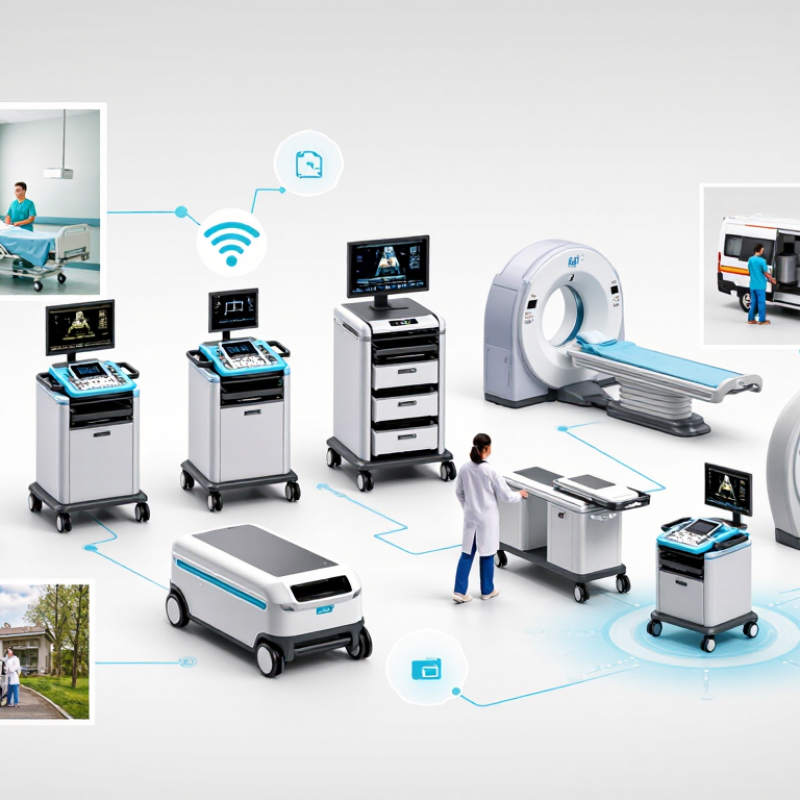
China Top 10 Portable Imaging Systems What Are the Benefits?

What Are Portable Imaging Systems?

Portable imaging systems are compact medical devices that capture images near the patient. They may include ultrasound, digital radiography, or other mobile diagnostic technologies. Unlike fixed equipment, these systems can move between examination rooms, wards, clinics, and remote care sites. Some fit beside a hospital bed. Others use wheels, batteries, and wireless image transfer. A trained operator adjusts the probe, exposure settings, or scanning position according to the clinical need.

Their main benefit is access. A clinician can examine a patient who cannot safely travel to an imaging department. This matters in emergency rooms, intensive care units, nursing facilities, and rural clinics. Portable ultrasound can show fluid, soft tissue, or fetal movement without ionizing radiation. Mobile radiography can help assess chest conditions or bone injuries at the bedside. Faster imaging may reduce delays, but speed should never replace careful interpretation.

Practical use still has limits. Image quality depends on operator skill, patient movement, lighting, maintenance, and device calibration. A rushed scan can create false confidence. Infection control also requires disciplined cleaning between patients. Secure storage and controlled data access protect medical information. In my view, portable systems work best when staff receive repeated training and compare findings with symptoms, examination results, and suitable follow-up tests. They are useful tools, not automatic answers.

China Top 10 Portable Imaging Systems: What Are the Benefits?

Portable imaging systems bring diagnostic imaging closer to patients and point-of-care settings. Their main benefits include easier transport, faster deployment, reduced dependence on dedicated imaging rooms, and improved access in emergency, rural, and bedside care. The chart shows representative device-weight midpoints commonly associated with major portable imaging modalities; actual weight varies by configuration and accessories.

Key Features of China’s Top 10 Portable Imaging Systems

China’s top 10 portable imaging systems are designed for fast diagnosis beyond traditional imaging rooms. Their key features include compact bodies, rechargeable batteries, and bright displays. Many systems use modular probes for ultrasound, vascular, cardiac, abdominal, and emergency examinations. Some portable X-ray units add digital detectors, adjustable exposure settings, and wireless image transfer.

Image clarity remains important. Advanced systems may offer noise reduction, tissue optimization, and software-assisted measurements. These tools can support clinicians, but they do not replace professional judgment. DICOM compatibility also helps connect images with hospital records and remote consultation platforms. Rugged housings, sealed controls, and simple user interfaces are useful in mobile clinics and crowded emergency areas. Still, smaller equipment can mean compromises in battery life or screen size.

Tips: Check the system’s real weight, charging time, probe options, and service support before purchase. Test image quality on moving patients, not only on demonstration models. Confirm data security and local regulatory compliance. For radiation-based equipment, review shielding, dose controls, and operator training. No system is perfect. A device that looks powerful may feel slow during a busy shift. Practical trials often reveal more than technical brochures.

How Portable Imaging Systems Work

Portable imaging systems work by combining a compact sensor, a power source, and software that converts signals into visible images. In portable ultrasound, a handheld probe sends sound waves into the body. Returning echoes are measured and reconstructed into moving images. Portable X-ray units produce controlled radiation, while a digital detector captures the beam after it passes through tissue. The software then enhances contrast and transfers the study to a secure workstation or medical record.

The process begins with patient identification, positioning, and equipment checks. A trained operator selects suitable settings for depth, gain, exposure, or image frequency. Small adjustments matter. A few millimeters can change the visible anatomy. Wireless systems may transmit images to a tablet, but encrypted connections and access controls remain essential. Radiation-based systems also require shielding, distance, exposure monitoring, and local safety procedures.

The main benefit is timely imaging near the patient. Clinicians can assess fluid, lung movement, fractures, or other urgent findings without waiting for transport. This can support care in ambulances, rural clinics, intensive care rooms, and emergency departments. However, portable systems have limits. Battery life may shorten during heavy use, and small screens can hide subtle details. Image quality also depends strongly on operator skill, calibration, and patient position. I have found that convenience can encourage rushed scanning. That is a weakness worth confronting. Experienced users should document technical limitations, repeat unclear views, and request full diagnostic imaging when the evidence remains uncertain.

What Are the Main Benefits of Portable Imaging Systems?

Portable imaging systems bring diagnostic tools closer to patients. In emergency rooms, rural clinics, and mobile medical units, staff can scan patients without moving them far. This reduces delays, especially when a patient is weak or unstable. A compact ultrasound device can examine the abdomen at the bedside. Portable X-ray equipment can support trauma assessment in crowded wards. Time matters.

The main benefit is faster clinical decision-making. Doctors can review images during the initial examination, then choose treatment with better context. These systems may also reduce transport costs and improve access in remote areas. Battery operation supports field work during limited power supply. Wireless image sharing can connect trained clinicians with specialists for a second opinion. However, portability does not guarantee accuracy.

In daily use, image quality depends on sensor performance, operator skill, lighting, positioning, and maintenance. A rushed scan can create false confidence. Staff need structured training, regular calibration, and clear infection-control procedures. Secure data handling is equally important when images move between facilities. Portable systems are valuable, but they should complement—not replace—professional judgment and suitable full-scale equipment. Their real advantage appears when speed, access, and patient safety must work together.

China Top 10 Portable Imaging Systems What Are the Benefits? - What Are the Main Benefits of Portable Imaging Systems?

No. Portable Imaging System Typical Imaging Method Main Benefits Common Applications Important Considerations
1 Portable Ultrasound System Real-time ultrasound using transducers and reflected sound waves No ionizing radiation, immediate bedside assessment, compact design, and relatively low operating cost Abdominal, obstetric, vascular, cardiac, musculoskeletal, and emergency examinations Image quality depends on operator skill, acoustic windows, and probe selection
2 Handheld Ultrasound Device Probe connected to a tablet, smartphone, or dedicated display Very high portability, rapid point-of-care screening, and reduced equipment transport requirements Triage, lung assessment, bladder checks, vascular access, and focused cardiac evaluation Usually intended for focused examinations rather than every full diagnostic study
3 Mobile Digital X-ray System X-ray tube with a mobile detector and digital image acquisition Bedside radiography, quick image transfer, and reduced need to move critically ill patients Chest, bone, orthopedic, intensive-care, operating-room, and emergency imaging Requires radiation protection, controlled exposure procedures, and trained operators
4 Portable Computed Radiography System X-ray imaging with reusable photostimulable imaging plates Flexible deployment, compatibility with existing X-ray equipment, and useful operation in temporary facilities Hospitals, clinics, field hospitals, rural facilities, and mobile medical services Image plates require processing and handling, which can be slower than direct digital detection
5 Portable Flat-Panel Digital Radiography System Direct digital X-ray detection using a wireless or tethered flat-panel detector Fast image preview, efficient workflow, electronic storage, and easier image sharing for remote consultation Trauma, chest imaging, bedside examinations, and decentralized diagnostic services Battery life, detector durability, wireless connectivity, and calibration affect daily performance
6 Mobile C-arm Fluoroscopy System Continuous or pulsed X-ray fluoroscopy with a C-shaped imaging arm Real-time imaging during procedures, flexible positioning, and support for minimally invasive interventions Orthopedic surgery, pain management, vascular procedures, and urological interventions Radiation dose monitoring, shielding, sterile workflow, and operating-room space are essential
7 Mobile Low-Field MRI System Magnetic resonance imaging using a compact, generally lower-field magnet Reduced infrastructure requirements, installation flexibility, and access to MRI in locations without a fixed scanner Neurological, musculoskeletal, spine, and selected bedside examinations May provide lower signal-to-noise ratio or longer scan times than high-field fixed MRI; metal safety screening remains mandatory
8 Portable Head CT System Computed tomography using rotating X-ray acquisition and reconstruction Rapid cross-sectional imaging near the patient, reduced transport risk, and support for urgent neurological decisions Intensive care, emergency neurology, trauma assessment, and selected operating-room procedures Radiation control, image quality limits, device clearance, and regulatory compliance must be assessed
9 Portable Dental X-ray System Intraoral or extraoral X-ray imaging with a compact generator and digital sensor Convenient chairside imaging, reduced room requirements, and suitability for outreach dentistry Dental caries, root assessment, endodontic procedures, and emergency dental examinations Correct positioning, exposure control, infection prevention, and radiation safety are required
10 Mobile Mammography System Dedicated low-dose X-ray imaging designed for breast examination Brings screening services to underserved areas, improves outreach capacity, and reduces travel barriers for patients Breast-cancer screening, diagnostic follow-up, community health programs, and mobile clinics Requires qualified personnel, appropriate positioning, quality assurance, and regulated radiation procedures
Overall benefits: Portable imaging systems can improve bedside access, shorten patient-transfer time, support emergency and rural healthcare, reduce infrastructure requirements, enable faster clinical decisions, and facilitate digital image sharing. The appropriate system depends on the required anatomy, diagnostic objective, image quality, radiation controls, workflow, and local regulatory requirements.

How to Choose the Right Portable Imaging System

Choosing the right portable imaging system starts with the clinical task, not the product label. A system for bedside lung scans needs different performance from one used for musculoskeletal exams. According to Fortune Business Insights’ 2024 Portable Ultrasound Market report, the sector was valued at about USD 2.3 billion in 2023. This growth reflects demand for faster, decentralized diagnosis. Still, market growth does not guarantee clinical suitability.

Check image quality under real conditions. Ask for test images from low-light wards, moving patients, and difficult body areas. Compare penetration, resolution, frame rate, and probe options. The system should also support secure data transfer, common imaging formats, and integration with hospital records. The IAEA’s Human Health Campus stresses quality assurance, operator training, and regular equipment checks in medical imaging. These details are easy to overlook. They matter every day.

Tips:

Define the examination list first. Measure battery endurance during a full shift, not a showroom demonstration. Confirm cleaning compatibility, drop resistance, warranty response, and software update policies. Request local training and documented service procedures. A lighter device may improve mobility, but a smaller screen can slow interpretation. I have seen teams prioritize weight and later regret limited ergonomics. Reassess the workflow with nurses, sonographers, and physicians before purchase. The cheapest option can become expensive when accessories, downtime, and retraining are included.

FAQS

What are portable imaging systems?

They are compact medical devices that capture images near the patient. They may use ultrasound, digital radiography, batteries, wheels, or wireless transfer.

Where are portable imaging systems commonly used?

They can serve hospital beds, emergency rooms, intensive care units, rural clinics, and nursing facilities. They are helpful when moving a patient is unsafe or difficult.

What does portable ultrasound show?

Ultrasound can display fluid, soft tissue, lung movement, or fetal movement. It uses sound waves, not ionizing radiation. The probe must be positioned carefully.

How does portable radiography create an image?

The unit sends controlled radiation through the body. A digital detector captures the beam and software converts it into an image. Shielding, distance, and exposure monitoring remain necessary.

Why can portable imaging speed up medical care?

Clinicians can examine patients at the bedside instead of arranging transport. This may help assess fractures, chest conditions, or urgent fluid findings sooner. Speed is not certainty.

What affects image quality?

Operator skill, patient movement, positioning, lighting, calibration, and maintenance all matter. Small screens may hide subtle details. Small screens mislead.

How should staff handle unclear portable images?

They should document technical limitations and repeat unclear views when appropriate. Clinicians should compare images with symptoms and examination findings. Further diagnostic imaging may be needed.

How are patient data and equipment kept safe?

Staff should clean equipment between patients and maintain secure data access. Wireless transfers need encryption and controlled permissions. Safety procedures should match the imaging method and local requirements.

What training do portable imaging operators need?

Operators need repeated training in positioning, settings, scanning technique, cleaning, and equipment checks. A rushed scan can create false confidence. That weakness deserves honest review.

Conclusion

Portable imaging systems are compact diagnostic devices designed to capture images at the point of care, such as clinics, emergency rooms, mobile medical units, and remote communities. China’s top 10 portable imaging systems typically emphasize lightweight construction, clear image output, rechargeable power, simple operation, wireless data transfer, and flexible connectivity. Using sensors, imaging probes, processing software, and display technologies, these systems collect internal or surface images and convert them into visual information that healthcare professionals can review efficiently.

The main advantages include improved mobility, faster examinations, reduced equipment and transportation costs, and greater access to diagnostic services in areas with limited medical infrastructure. To understand what are the benefits of portable imaging systems, users should also consider image quality, battery life, device durability, software functions, data security, ease of maintenance, training requirements, and compatibility with existing workflows. The right choice should match the intended application, operating environment, budget, and professional needs while supporting dependable and efficient imaging.

Liam

Liam

Liam is a dedicated marketing professional with a profound expertise in the industry, where he excels at highlighting the unique advantages of our core products. With a keen understanding of market trends and consumer needs, Liam frequently updates our company’s professional blog, providing......